Roofing in North Valley
Roofing for North Valley homes - local conditions, a clear process, and one call to get it started.
The North Valley pattern for this work is set by its streets - desert sun, storm drainage and building eras layered block by block.
Roofing in North Valley starts with the sky. A mile of elevation means sun that ages materials years early, spring winds that hunt for loose edges, and monsoon storms that test the whole system in a single afternoon. The work here is about reading which of those three your roof is losing to.
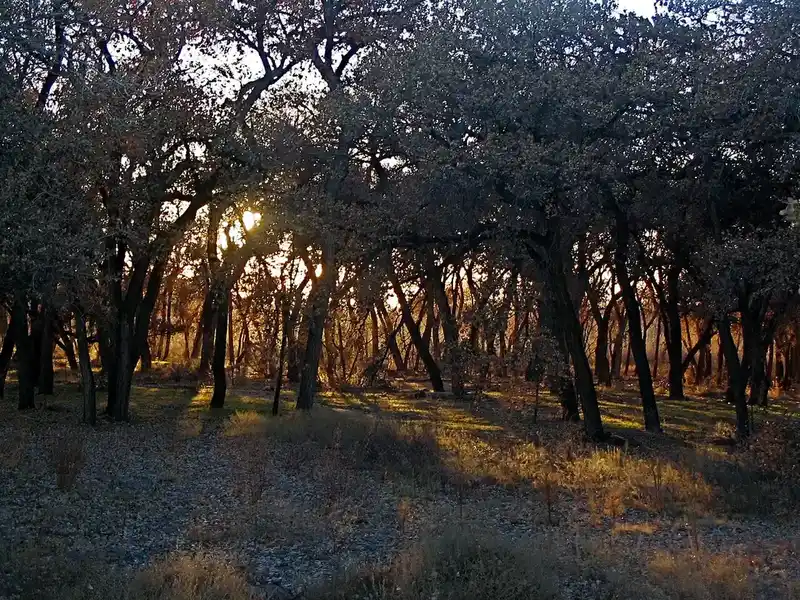
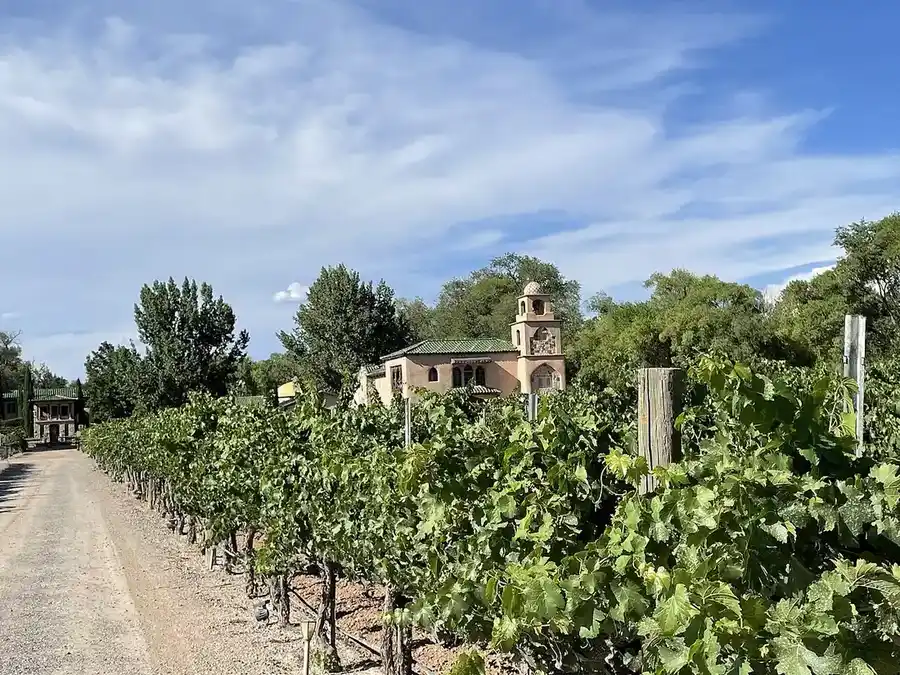
The North Valley runs along the Rio Grande north of downtown - a semi-rural valley landscape of acequias, cottonwood bosque, horse properties and adobe homes under a green canopy. Villages like Los Ranchos grew here from farming settlements, and the valley keeps that character inside the city.
This part of the valley has its own version of every roof. Adobe and territorial-style homes, ranch houses and estates, mostly flat or low-slope roofs with some pitched tile - and that shapes the roofing work directly. The bosque canopy is beautiful and hard on roofs: cottonwood shade keeps membranes damp after storms, limbs drop in wind, and canales clog with leaves. For roofing in North Valley, a documented first look is the fastest way to find out what state your roof is actually in.
The roofs over North Valley live a public life: visible from the street, graded by every passerby from the sidewalk, gossiped about after hail. The roofing visit replaces the gossip with a read - surface, seams, drainage, attic - and the read, near the Rio Grande bosque and the acequia system as everywhere here, is what the work and the scope are built on.
Signs North Valley Homes Need Roofing
A ceiling stain after storms
A new brown ring or a stain that grows after rain almost always means water is entering at a seam, flashing or drain - not where the stain shows.
Cracked or chalky coating
A flat or foam roof whose coating has gone chalky, cracked or thin is losing its only real protection against the sun.
Ponding water on a flat roof
Water still standing a day after rain is sitting on the membrane, adding weight and working at every seam until one of them lets go.
Why This Work Runs in North Valley
The second engine is movement. Thirty-degree daily temperature swings make every roof expand and contract, day after day, year after year. Sealants split, seams creep open, fasteners work loose - the slow mechanical wear that turns a sound roof into a leaky one without any single dramatic event.
The bosque canopy is beautiful and hard on roofs: cottonwood shade keeps membranes damp after storms, limbs drop in wind, and canales clog with leaves. Flat roofs here need drainage attention more often than anywhere else in the city.
In North Valley, that plays out street by street - and the documented condition from that first visit is what every later decision stands on. The North Valley file, in one line: know the drainage, know the details, and the repair list shortens itself.
Summer splits in two: the hot, dry bake of June, when roof surfaces pass 150 degrees and coatings chalk and shingles soften, and the monsoon from July into September, when afternoon storms test every seam, flashing and drain the sun spent months weakening. Most Albuquerque leaks are born in June and discovered in August.
Homeowners are often surprised by how much of the visit is looking rather than fixing. That inspection time is the work: it is what separates a scope matched to your actual roof from a generic repair that misses it. Ask questions - a good roofer can show you exactly what they found, with photographs.
As the season turns, the work in North Valley shifts from the surface to the details: what the summer opened, the fall must close before the cold nights start their own testing.
If the problem involves the attic, check that the hatch actually opens. Painted-shut hatches and blocked access panels are the most common reason a first visit in Albuquerque ends with a second one scheduled.
How Roofing Works in North Valley
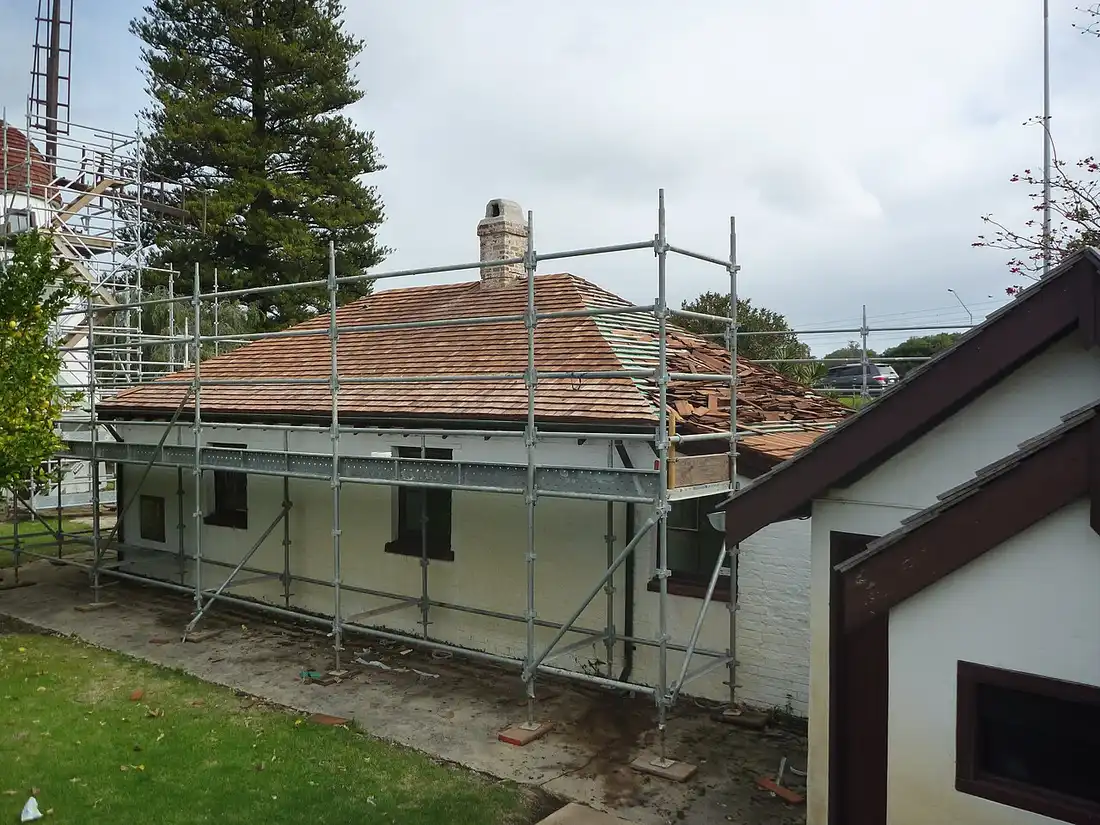
The full step-by-step process for this service - inspection, scope, the work itself and follow-up - is laid out on the main Roofing page. In North Valley the same sequence runs with the local map in hand: the drainage around the Rio Grande bosque and the acequia system, the housing pattern described above, and the exposure this neighborhood actually carries.
The North Valley Angle
The North Valley version of this work is a local story - it runs across the rooftops within sight of the Rio Grande bosque and the acequia system. Where the weather lands hardest follows the housing. Adobe and territorial-style homes, ranch houses and estates, mostly flat or low-slope roofs with some pitched tile.
What the neighborhood built, aged and patched fills in the rest. The bosque canopy is beautiful and hard on roofs: cottonwood shade keeps membranes damp after storms, limbs drop in wind, and canales clog with leaves. Flat roofs here need drainage attention more often than anywhere else in the city. Done in that order, roofing in North Valley stops being a recurring surprise and becomes a managed routine.
North Valley does not sit alone on the map. It weathers the same storms as Los Ranchos, Old Town and Corrales - the same cells build over the mountain, the same sun works the same materials, and the same seasons move through all of them within the same few weeks. Which is the last word on method here: read the neighborhood pattern, not just the house that called.
On the route map, North Valley sits in the albuquerque area group, ZIP 87107 - close enough to Los Ranchos, Old Town that crews work them on the same runs. That local memory is the quiet advantage of route-based work in North Valley.
Prevention That Helps in North Valley
- Walk the roof's edge every spring - look for lifted, cracked or missing material before the monsoon does.
- Reseal seams and flashings at the first sign of cracking, not the first leak.
- Photograph the roof after big hail or wind so changes are easy to spot later.
Adobe and territorial-style homes, ranch houses and estates, mostly flat or low-slope roofs with some pitched tile.
Keep Exploring
Roofing nearby:
More services in North Valley:
- Roof Replacement in North Valley
- Roof Repair in North Valley
- Tile Roofing in North Valley
- Foam Roofing in North Valley
See the full roofing page for North Valley and the Roofing overview for Albuquerque.
Roofing in North Valley - Questions
Does the type of roof on my North Valley home change the advice?
Completely. Flat roofs live and die by drainage and coatings, tile roofs by their hidden underlayment, shingle roofs by UV wear, foam by its recoat schedule, and metal by its fasteners and seams. Any advice that ignores the system is generic, and generic advice leaks.
What should I do before a roofing visit in North Valley?
Note when leaks appear and where the stains are, clear access to the attic hatch, and have any past roof paperwork handy. Photos of the roof after storms help the roofer see the pattern you have been seeing.
Does Roofing in North Valley cover the streets near the Rio Grande bosque and the acequia system?
Yes - the blocks around the Rio Grande bosque and the acequia system are part of this page's map, along with the rest of North Valley. The landmark is named here because it anchors the neighborhood's pattern: the exposure and drainage around it shape where the work concentrates.
A Leak Over the Living Room, Tiles on the Driveway or a Flat Roof Holding Water?
One call connects you with a roofing professional serving Albuquerque and the surrounding communities - inspection, repair, replacement and upkeep.
📞 Call Now