Albuquerque Roofing Services

Emergency Roof Repair in Albuquerque, NM

Emergency roof repair in Albuquerque - storm-torn roofs, active leaks and fallen limbs handled fast: water stopped first, permanent fix scoped right after.

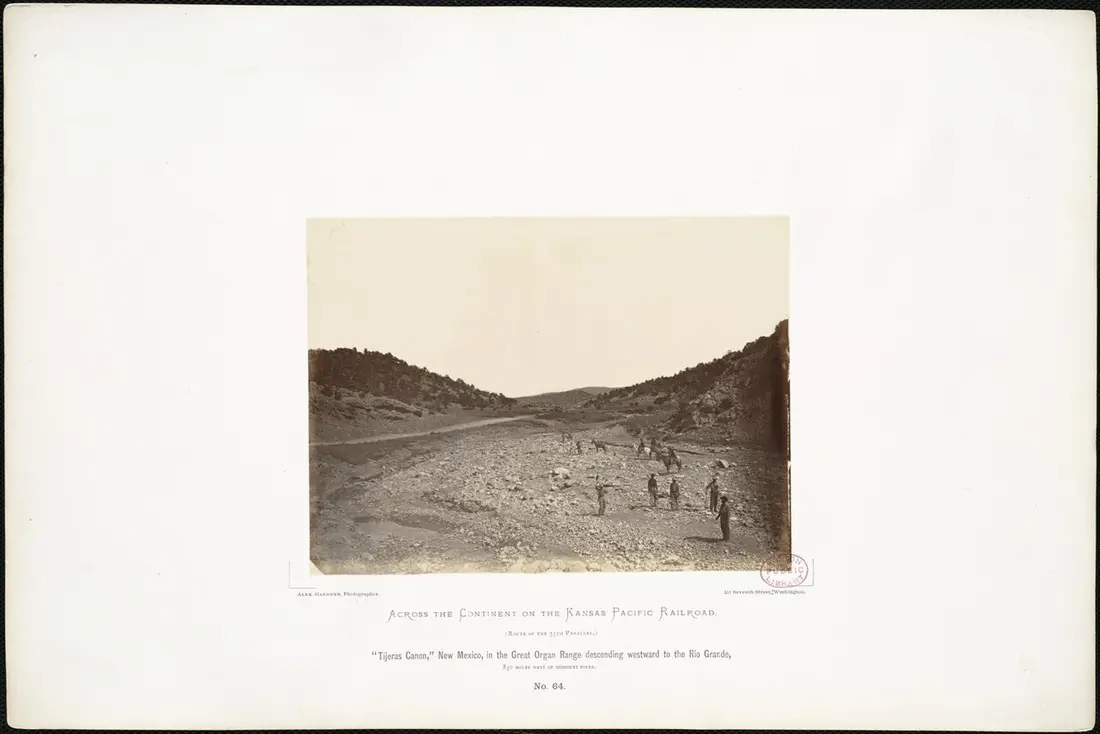
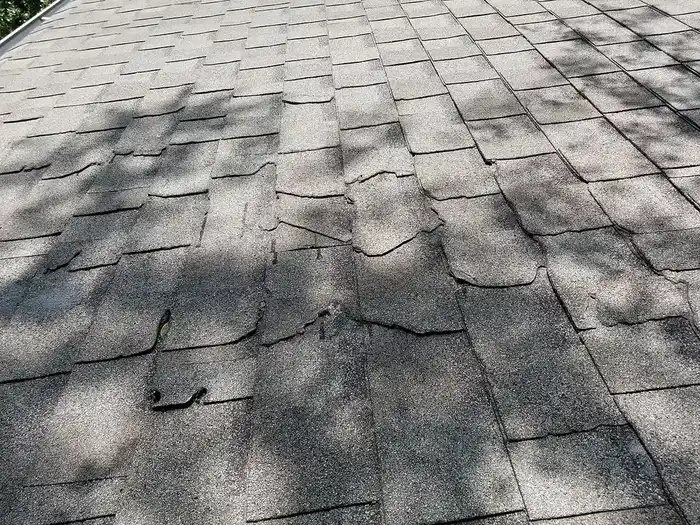
Wind is the third force. Spring is wind season, when gusts sweep off the West Mesa and through Tijeras Canyon for weeks at a time, and monsoon storms add their own outflow blasts in summer. Loose shingles, lifted tiles and tired seams are found by the wind long before they are found by the homeowner.

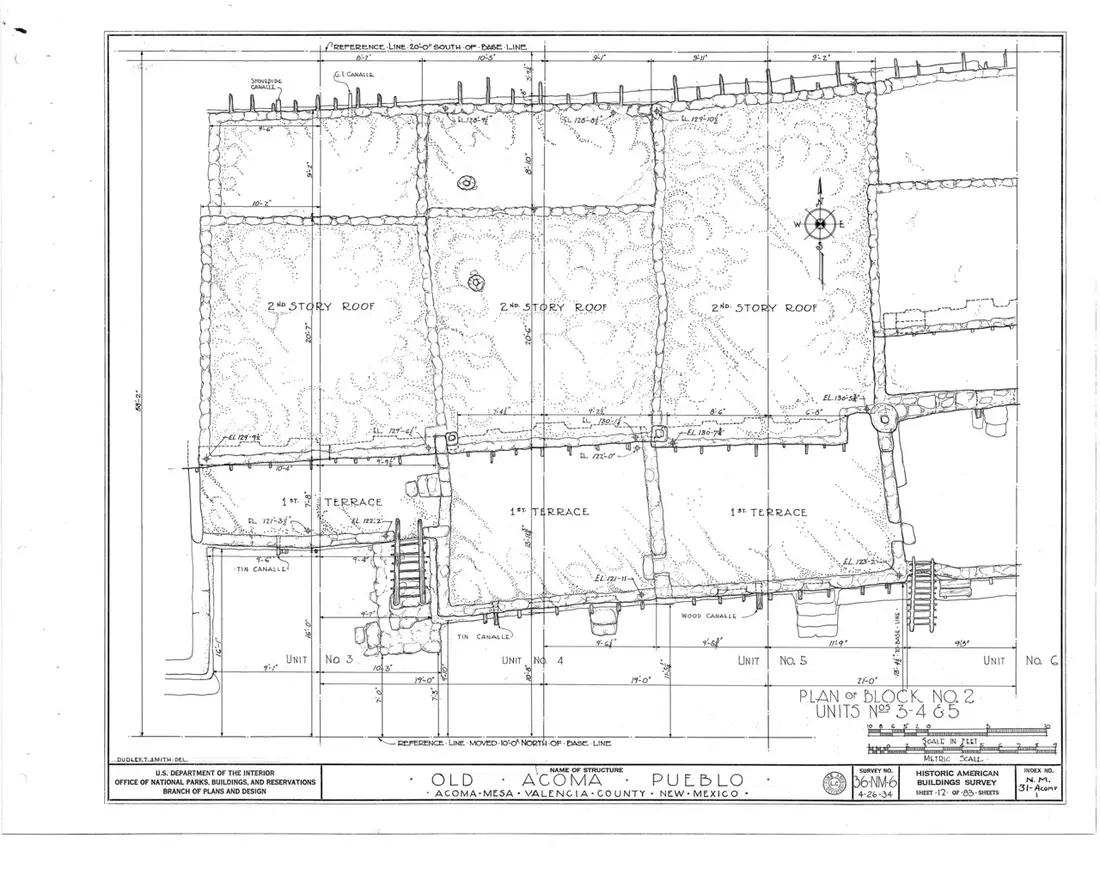
The city's roofscape matches the climate: flat pueblo-style roofs draining through canales and scuppers, pitched tile in the suburbs, shingles on the postwar neighborhoods, foam and coated roofs all over, and metal standing up to snow in the mountains. Each system fails in its own Albuquerque way, and the pages here are organized around exactly that.

Signs You Need Emergency Roof Repair

Active dripping during a storm

Water coming through while it rains means the opening is direct. Buckets protect the floor; only covering the roof stops it.

A section of roof visibly gone

Missing shingles, tile or membrane across an area - not a piece or two - is storm damage that exposes the deck directly.

A tree or limb on the roof

Impact damage can crack decking and underlayment well beyond the visible dent, and punctures leak from the first rain.

Ceiling sagging or bulging

A ceiling holding pooled water is a safety issue, not just a leak - that weight needs draining and the room below cleared.

Water at light fixtures or outlets

Water reaching electrical points means the leak path is inside walls and ceilings; treat it as urgent and keep hands off switches.

Debris damming a flat roof

A storm can drop enough debris to block every canale at once, turning the roof into a pond that finds every seam.

Why Emergency Roof Repair Is a Standing Job in Albuquerque

Albuquerque's emergencies cluster in two seasons: the spring wind season, when gusts in the fifties and sixties work on every tired roof in the city for weeks, and the monsoon, when a single cell can deliver hail, driven rain and outflow winds in the same half hour.

The city's trees are the second emergency source. Mature cottonwoods, elms and Siberian elms drop limbs in wind - and a limb that lands on tile or a flat roof does damage that keeps leaking quietly long after the visible mess is cleaned up.

What makes an emergency expensive is rarely the first hour. It is the weeks after: water that got into insulation, decking and ceilings during the storm keeps working in the dark. Fast covering and a follow-up inspection are what keep one storm from becoming a season of repairs.

Emergency Roof Repair Through the Albuquerque Year

Albuquerque winters are cold nights and bright days rather than deep snow - but the freeze-thaw cycle is hard on roofs. Water that seeped into a crack by day expands as ice by night, snow lingers on the foothill and mountain roofs, and the low winter sun hides damage that the spring winds will find. Winter is inspection and planning season here.

Fall is the repair window. The monsoon ends, Balloon Fiesta fills the October sky, and the weather turns calm and dry - the right weeks to fix what the storms found, recoat what the sun thinned, and get a roof ready for winter nights. It is also when honest assessments happen, because a dry roof shows its true condition.

Spring is wind season in Albuquerque, and it is roof season too. Weeks of gusts work at every loose edge the winter left behind, dust rides the wind into every valley and canale, and the first hot afternoons start the thermal cycling that splits old sealant. A spring inspection - before the monsoon - is the single most valuable appointment on the Albuquerque roof calendar.

Emergency Roof Repair in Depth

The first hour of a roof emergency has its own ethics: stop the water, protect the people, document everything, commit to nothing permanent yet. Tarps go on weighted and strapped rather than nailed through sound material; ceilings holding water get relieved before they fall; the camera comes out before the ladder does. Crews that keep that order protect both the house and the homeowner's options.

The second act matters just as much. Storm-opened roofs keep drinking water at every later rain until they are permanently rebuilt, and hidden damage - wet insulation, cracked decking under unbroken tile - does not announce itself. The follow-up inspection after the covering, in dry daylight, is what converts an emergency from a recurring subscription into a closed chapter.

Choosing the Right Help

In an emergency, choose the crew that talks about order: safety, covering, documentation, then scope. Beware the mid-storm hard sell of a permanent contract while water is still coming in - the covering is urgent, the contract is not, and any roofer who conflates them is telling you how the rest of the relationship will go.

The Climate Behind It

Albuquerque sits a mile high in the Rio Grande valley, and elevation writes the roof calendar: more than 300 days of sun a year, ultraviolet light noticeably stronger than at sea level, and thin dry air that swings thirty degrees or more between afternoon and night. Roofing materials here age on a faster clock than the ones printed on the wrapper.

The rain is the opposite story - only eight or nine inches in a typical year, but most of it arrives in the summer monsoon, in afternoon cloudbursts that can drop a month's worth of water in an hour. A roof in Albuquerque is not worn down by rain. It is worn down by sun, and then tested all at once by storms.

How Emergency Roof Repair Works

Call and describe the damage

Say what is coming in and where. The call center logs it and gets a roofer moving with tarps, sealants and the right materials for your roof type.

Cover and stabilize first

The opening is tarped or temporarily sealed, drainage is cleared, and any immediate safety issue - sagging ceilings, water at electrics - is flagged before anything else.

Inspect the full extent

Once the house is dry, the damage is mapped: surface, underlayment, deck and the attic side, including harm the storm hid.

Scope the permanent repair

You get the full picture in writing - what the storm did, what the permanent fix involves, and the photos your insurance may need.

Doing It Yourself vs a Professional

The DIY Route

  • A tarp nailed through shingles creates new holes while covering old ones - weighting and strapping matters
  • Walking a wet, damaged roof is how homeowners get hurt; the dangerous damage hides under intact-looking surface
  • Removing a limb yourself can shift its weight and tear the roof further
VS

The Professional Route

  • Water stopped first - tarping and temporary seals done right, without adding new damage
  • Full damage mapping once dry, including the attic side and the deck
  • Written scope and photos that stand up for an insurance claim

Keep It From Coming Back

Emergencies cannot be scheduled, but they can be prepared for. The steps below are the difference between a storm that costs a tarping and a storm that costs a season - most of them take minutes, in calm weather, before they are ever needed.

  • Photograph the damage before and after covering - insurance claims run on evidence.
  • Know where your attic hatch is and keep it reachable before storm season.
  • Trim dead limbs over the roof every year; they are the emergency that has not happened yet.
  • Keep the call number saved - mid-storm is no time to start searching.
  • After any covering, book the permanent repair promptly; tarps are measured in weeks, not seasons.
  • Clear canales and scuppers ahead of forecast storms when it is safe to do so.
Emergency Roof Repair in the Surrounding Communities

The communities around Albuquerque share its sun and its storms - with their own twists of wind, wood and altitude.

Emergency Roof Repair in Corrales

Corrales is a farming village in the Rio Grande bosque between Albuquerque and Rio Rancho - acequias, horse pastures, adobe homes and the historic Casa San Ysidro along its one main road. It has kept a rural village character in the middle of the metro area.

Emergency Roof Repair in Bernalillo

Bernalillo is a historic town on the Rio Grande north of Albuquerque, beside the Coronado Historic Site and the ruins of Kuaua Pueblo. Old adobe neighborhoods line the river while newer subdivisions spread east toward I-25, and the town works as a hub for Placitas and the north valley.

Emergency Roof Repair in Placitas

Placitas is an unincorporated foothill community at the north end of the Sandia Mountains, between Bernalillo and the national forest. Custom homes spread across piΓ±on and juniper hillsides with big views, a quiet rural character and weather a step cooler than the valley floor.

Emergency Roof Repair in East Mountains

The East Mountains are the pine-covered communities behind the Sandias - Tijeras, Cedar Crest and the villages along the Turquoise Trail and the road up to Sandia Crest. At 6,500 feet and up, this is mountain country: cooler, wetter and snowier than the city it overlooks.

Where Emergency Roof Repair Is Needed Most

In the Heights and the foothills - Northeast Heights, Far Northeast Heights, Sandia Heights, Tanoan, High Desert and North Albuquerque Acres, Glenwood Hills, Four Hills, Uptown, Nob Hill - the housing runs from postwar neighborhoods to custom homes against the mountain, and emergency roof repair follows the construction: tile and foam on the newer customs, shingles aging in full sun on the postwar streets, and wind exposure that grows with every street closer to the crest.

Across the valley and the Westside - University Area, Downtown, Old Town, Barelas, South Valley, North Valley and Los Ranchos, Westside, Taylor Ranch, Ventana Ranch, Paradise Hills, Rio Rancho - sit the city's oldest adobe and flat-roof stock, its historic districts and its fastest-growing subdivisions, which together make this the steadiest emergency roof repair territory in the city.

Beyond the city line, the same work runs in Corrales, Bernalillo, Placitas, East Mountains, Sandia Park, Southeast Heights, Sawmill District, Bosque Farms - bosque villages, mesa-top suburbs and mountain communities where altitude, wood smoke and snow add their own chapters. Every one of these area pages carries the local detail for emergency roof repair in that community.

Coverage, In Full

Emergency Roof Repair runs across the whole service map: the Northeast Heights, Far Northeast Heights, Sandia Heights, Tanoan, High Desert and North Albuquerque Acres; Glenwood Hills, Four Hills, Uptown, Nob Hill and the University Area; Downtown, Old Town, Barelas, the Sawmill District and the Southeast Heights; the South Valley, North Valley and Los Ranchos; the Westside, Taylor Ranch, Ventana Ranch and Paradise Hills; and beyond the city in Rio Rancho, Corrales, Bernalillo, Placitas, the East Mountains, Sandia Park and Bosque Farms. One call covers all of it - the local pages above carry the detail for each. If your street is not named here, call anyway: routes grow with demand, and most Albuquerque addresses are already within reach of a scheduled run.

From the Albuquerque Roofing Guides

Hail Damage on Albuquerque Roofs: What to Check After a Storm

Hail damage is mostly invisible from the ground - it bruises shingles, cracks tile, pits foam and loosens fasteners, and the proof lives in a hands-on inspection with dated photos. Check the witnesses first (dented soft metals, granule piles, fragments in the yard), then get the roof read slope by slope while the evidence and the claim window are both fresh.

Read the Guide

Flat Roofs in Albuquerque: How They Work and Why They Leak

A flat roof is not a lid - it is a water-management system with a slight slope, drains through the parapet, and a membrane and coating that must stay sound under permanent sun. Keep the system honest: drainage clear, seams and parapet joints sealed, coating renewed on schedule, and ponding treated as a finding to fix - not a feature.

Read the Guide

What Decides the Cost of a New Roof in Albuquerque?

A new roof's cost is set by the roof itself - its size and pitch, the system chosen, how many old layers come off, and what the tear-off finds in the deck - which is why honest numbers only exist after an inspection. Compare quotes on scope, not totals: tear-off included, deck repairs defined, underlayment class named, drainage corrected, flashing renewed - the line items are where quotes really differ.

Read the Guide

Emergency Roof Repair Questions

What does an emergency roofer do on the first visit in Albuquerque?

Three things: stop the water (tarp or temporary seal), make the scene safe (flag sagging ceilings and water at electrics, clear blocked drains), and document the damage with photos. The permanent repair is then scoped from dry, complete information instead of mid-storm guesses.

Can storm damage be repaired, or does it mean a new roof?

Usually repaired. Storms damage sections, and sections can be rebuilt - shingles, tiles, membrane and deck pieces alike. Replacement enters the conversation when the damaged area is large or the roof was already at the end of its life, which the inspection will show plainly.

My roof looks fine from the ground after hail. Should I still call?

Yes - hail damage on shingles and coatings is mostly invisible from the ground, and the inspection window matters for insurance. Granule loss and bruised shingles found early are a documented claim; the same damage found two monsoons later is an argument.

What affects the cost of emergency roof work in Albuquerque?

The size and height of the damaged area, how much material and deck must be replaced, access for tarping, and whether the permanent repair is a patch or a section rebuild. Emergency covering itself is the small part of the bill; the damage underneath decides the rest, and honest scoping shows it.

What counts as a roof emergency in Albuquerque?

Anything letting weather in now: an active leak during storms, a torn or missing roof section, a limb through the roof, a ceiling holding water, or water reaching electrical fittings. If you are deciding whether it counts, it counts - describe it on the call and let triage sort it.

How fast can someone reach Albuquerque after a storm?

It depends on how wide the storm's damage is - after a big cell, every roofer in the city is triaging. Calls are worked by urgency: active water entry and safety issues first. Getting your call logged early, with a clear description, is what puts you in the right place in that line.

Will a tarp really protect my Albuquerque home until the repair?

A properly installed tarp - sized past the damage, secured without punching new holes in sound material, and checked after the next wind - protects for the weeks a permanent repair takes to schedule. A loose tarp is worse than none in wind season, which is why the covering itself is a roofer's job.

Should I call my insurance before or after the emergency visit in Albuquerque?

Stop the water first; insurers expect you to prevent further damage. Then call, with the roofer's photos and written scope in hand. The emergency paperwork - dates, damage description, what was covered - is exactly what a claim adjuster asks for.

Please note: Albuquerque Roofing Pros is an independent directory and referral service, not a roofing contractor. The professionals reachable through this site are independent businesses; any agreement for work is between you and the professional you engage. Service information on this site is general educational material - the scope of any real roofing work is set by an on-site inspection.

A Leak Over the Living Room, Tiles on the Driveway or a Flat Roof Holding Water?

One call connects you with a roofing professional serving Albuquerque and the surrounding communities - inspection, repair, replacement and upkeep.

πŸ“ž Call Now
πŸ“ž Call Now