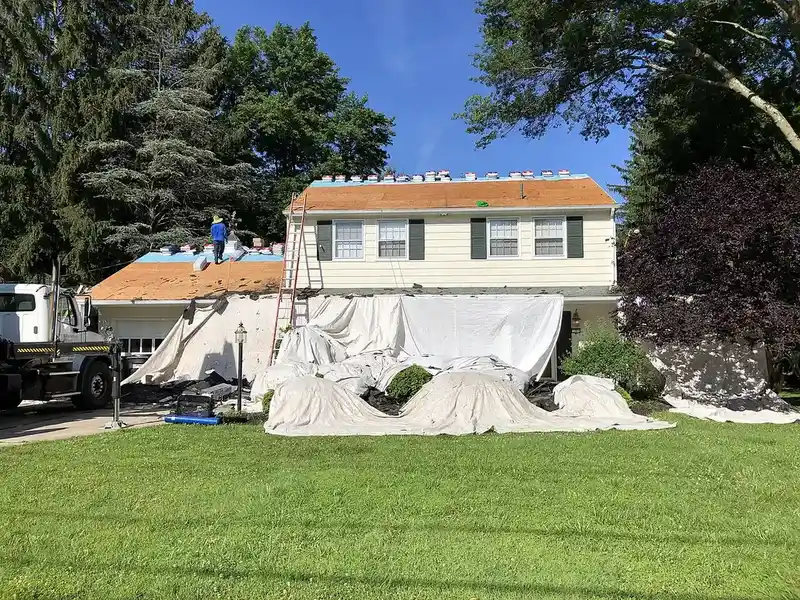
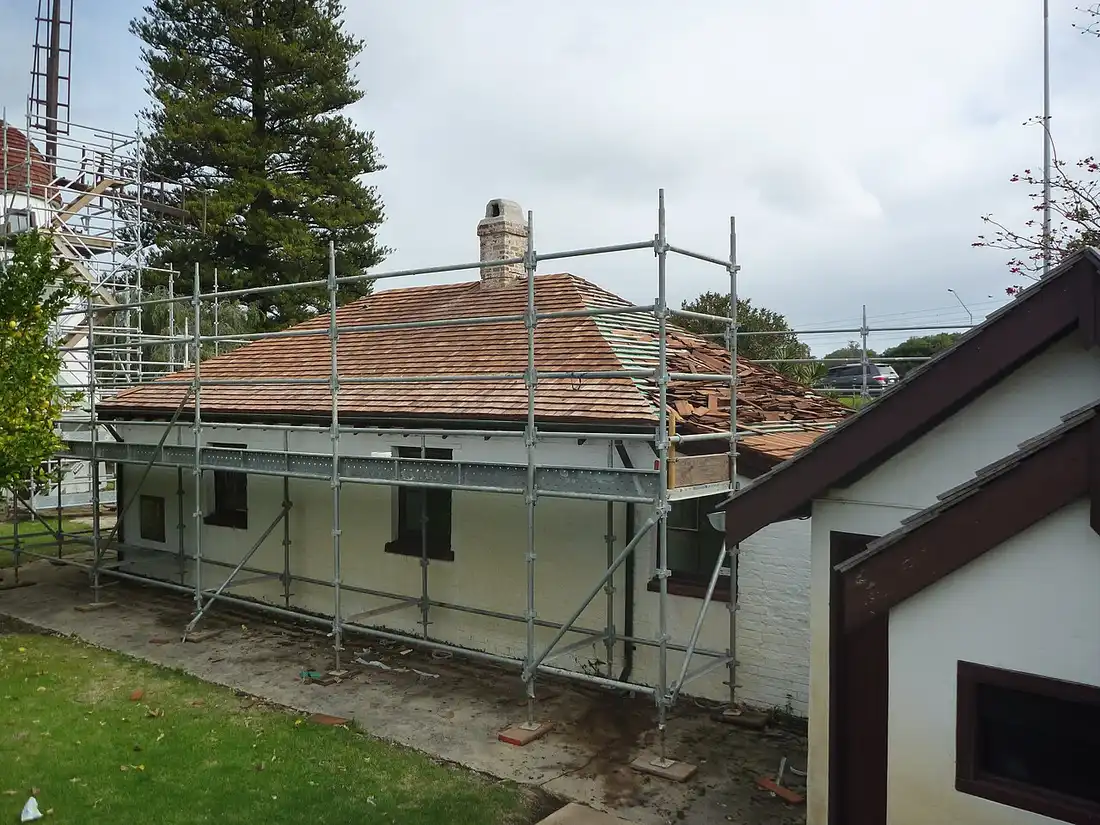
A new roof's cost is set by the roof itself - its size and pitch, the system chosen, how many old layers come off, and what the tear-off finds in the deck - which is why honest numbers only exist after an inspection.
Problem: A new roof's cost is set by the roof itself - its size and pitch, the system chosen, how many old layers come off, and what the tear-off finds in the deck - which is why honest numbers only exist after an inspection.
Solution: Compare quotes on scope, not totals: tear-off included, deck repairs defined, underlayment class named, drainage corrected, flashing renewed - the line items are where quotes really differ.
When to call: Call for a scoped quote when repairs have stopped holding or the surface is at end of life - and be wary of any number offered from the street or over the phone.
Homeowners shopping for a roof in Albuquerque run into a frustrating spread: quotes for 'the same roof' that differ by half. This guide cannot price your roof - no honest guide can - but it can do something more useful: lay out every factor that legitimately moves the number, so you can read quotes as scopes instead of totals, spot what a low quote quietly left out, and understand why the roofer insists on looking before pricing. The factors below account for nearly all of the spread.
The Albuquerque Angle
Albuquerque sits a mile high in the Rio Grande valley, and elevation writes the roof calendar: more than 300 days of sun a year, ultraviolet light noticeably stronger than at sea level, and thin dry air that swings thirty degrees or more between afternoon and night. Roofing materials here age on a faster clock than the ones printed on the wrapper.
The Roof Itself: Size, Pitch, Shape
Size is the obvious one - roofing is measured in squares of a hundred square feet, and material and labor follow the count. Pitch multiplies everything: steep roofs are slower, harder and safer-systems work, and Albuquerque's mix includes near-flat pueblo roofs (fast to cover, detail-heavy) and steep mountain pitches at the city's edges. Shape finishes the trio: a plain rectangle is one job; hips, valleys, dormers and multiple levels multiply flashing, cutting and detail time at every junction.
Access hides inside this factor too. A one-story ranch with clear ground around it prices differently from a two-story foothill custom with steep lots, tight side yards and tile to handle carefully. None of these are mysterious - a good quote can walk you through each one's effect on your specific roof, in your specific numbers.
What Comes Off, and What Is Found Underneath
The tear-off is a cost factor with a range, because nobody knows the deck's condition until it is open. Layer count comes first: each old layer must be stripped and disposed of, and roofs carrying two or three layers pay for each. Then the deck itself: sound decking is a clean start, while soft, rotted or cracked sections - most common at eaves, valleys and around old penetrations - are replaced by the sheet, and the count of sheets is only knowable mid-job.
This is exactly where quotes diverge dishonestly. A low quote may assume zero deck repair and treat every sheet found as an extra; a careful quote names the assumption and the per-sheet handling in advance. Ask both questions of every bidder: how many layers are you pricing to remove, and what happens - in writing - when the deck needs work? The answers are the quote's real content.
PROBLEM
→
SOLUTION
The System You Choose, and the Details It Needs
Material choice is the visible factor: shingle, tile, metal, membrane, foam and coating systems each carry their own material and labor profile, and within each, grades matter - architectural versus three-tab shingles, standard versus high-heat underlayment under tile, coating chemistry and thickness on flat roofs. In this climate the upgrades that sound like luxuries (high-heat underlayment, reflective finishes) are usually lifecycle decisions, and the quote should show their cost as a separable line so you can judge them.
Details close the list: flashing renewal at walls, chimneys and penetrations; drainage corrections like added scuppers or tapered insulation at ponds; ventilation work where the attic has been baking the old roof; and canales rebuilt where they have cracked. A quote that skips the details prices a surface. A quote that itemizes them prices a roof. In Albuquerque's failure statistics, that difference is most of the story.
The Two Quotes You Should Be Suspicious Of
The first is the quote given without a visit - a number built from satellite photos and hope. It has not counted your layers, felt your deck, read your attic or walked your drainage, so the number is a placeholder whose corrections all arrive as change orders. The second is the quote dramatically below two others: sometimes it is efficiency, but usually it is silence - layers assumed away, deck repairs excluded by a clause, underlayment downgraded without a mention.
Both are unmasked the same way: ask for the scope in writing and the assumptions behind it. Legitimate contractors answer in detail and without irritation; the questions themselves are the consumer protection. A spread of quotes is not a problem to solve but information to read.
Paying for the Invisible: Where the Money Actually Goes
Homeowners naturally price the visible layer - the shingles, the tile - but a large share of a replacement's cost is invisible by design: tear-off labor and disposal, deck repair, underlayment, flashing metal bent and fitted piece by piece, drainage corrections, and the crew's safety systems on steep work. None of it shows from the street. All of it shows in the roof's service life.
This is why 'the roof was expensive but nothing looks different' is so often precisely backwards: the roofs that look the same from the curb differ enormously in the parts that decide whether they leak in year three or year twenty-three. The scope document is the only place those parts are visible. Read it like it is the product - because it is.
Myth vs Fact
The Myth
Roofers charge what they can get away with - the same roof should cost the same everywhere. Totals vary, so the suspicion feels rational.
VS
The Fact
Quotes differ because scopes differ - in layers, deck assumptions, materials grade and detail work. Compare the written scopes and the totals reconcile. The number alone carries almost no information; the line items carry all of it.
The Related Service, In Depth
A replacement is the one roofing job that resets every clock at once - surface, underlayment, flashing, drainage detailing - which is why its timing matters so much. Done a few years early, it merely trades a short remainder of old-roof life for a long new one. Done a storm too late, it arrives after water has taxed the deck, the insulation and the ceilings, and part of the budget goes to repairing the house instead of roofing it.
That is the service side of this guide's subject. When you are ready, the Roof Replacement page carries the process, the coverage by neighborhood and the number to call.
The Process, Step by Step
Get the roof measured and opened on paper
Squares, pitch, layers, access - the physical facts every quote must start from.
Name the system and its grades
Material, underlayment class, coating spec - written, not implied.
Define the deck assumption
Layers included, deck-repair handling stated before the tear-off begins.
Compare scopes line by line
Flashing, drainage, ventilation, disposal, permits - the quotes compared on content, then on total.
Prevention Checklist
Get at least two scoped quotes; the spread itself is information.
Ask every bidder the same questions so the answers can be compared.
Never accept a quote that has not been on the roof and in the attic.
Keep the winning scope with the house papers - it documents what the roof is.
Time the job to spring or fall windows; emergency replacements price worst.
A Field Checklist for Your Own Home
Collect quotes in writing, each with its scope and assumptions itemized.
Photograph the attic and roof before quotes - your own record of the starting condition.
Decide by scope completeness first, total second.
What the Paperwork Should Show
A replacement quote you can rely on states: measured squares and pitch, layers to be removed, deck assumption and repair terms, the full material stack by name and grade, flashing and drainage work itemized, disposal and permit handling, and the schedule the price assumes.
Anything missing from that list is not necessarily a problem - but it is necessarily a question, and the time to ask it is before the tear-off, not after.
How a Professional Works This Problem
The professional quote reads like a scope of work because it is one: measurements, layers, deck terms, the material stack by name, detail work itemized, exclusions stated. Contractors who write quotes this way are not being fussy - they are showing you the document that will govern the job, and its completeness is the most reliable quality signal a homeowner gets before signing.
Mistakes That Make It Worse
Accepting a firm price from a roofer who never climbed or entered the attic.
Comparing quotes by total while the scopes differ invisibly.
Letting deck-repair terms stay vague - the one open-ended cost in every replacement.
Choosing mid-job upgrades under time pressure that were never priced in calm.
The Bottom Line
You cannot control what a new roof costs, but you can control whether you understand what you are buying. Two scoped quotes and the questions in this guide put the real comparison in your hands - the totals will take care of themselves once the scopes match.
Hail damage is mostly invisible from the ground - it bruises shingles, cracks tile, pits foam and loosens fasteners, and the proof lives in a hands-on inspection with dated photos.
A flat roof is not a lid - it is a water-management system with a slight slope, drains through the parapet, and a membrane and coating that must stay sound under permanent sun.
Because 'a new roof' is not one product. Quotes vary in layers removed, deck assumptions, underlayment grade, flashing and drainage scope, and coating thickness - most of it invisible in a total. Lay the scopes side by side and the totals usually reconcile: the expensive quote included work the cheap one left to become change orders.
Can a roofer just tell me a per-square price over the phone?
They can tell you a range for planning, and honest roofers label it as exactly that. A firm quote requires the measurements and findings: pitch, layers, deck evidence, system details. Any exact number given without them is precision theater - and it will move when the roof is opened, always in one direction.
Is the lowest quote ever the right choice?
Sometimes the low quote is a genuinely efficient crew with the same scope - it happens. The test is not the total but the scope's completeness and the assumptions in writing. A cheap quote with a complete scope and named deck handling can be the right hire; a cheap quote that achieves its price by silence is the most expensive option in the room.
Does a new roof raise my home's value in Albuquerque?
A documented new roof - permit, scope, material records - is one of the few home improvements buyers and insurers both price directly, because it removes a major unknown. An undocumented one reads as a claim. Keep the paperwork with the house; it is part of what you bought.
Please note: Albuquerque Roofing Pros is an independent directory and referral service, not a roofing contractor. The professionals reachable through this site are independent businesses; any agreement for work is between you and the professional you engage. Service information on this site is general educational material - the scope of any real roofing work is set by an on-site inspection.
A Leak Over the Living Room, Tiles on the Driveway or a Flat Roof Holding Water?
One call connects you with a roofing professional serving Albuquerque and the surrounding communities - inspection, repair, replacement and upkeep.