Albuquerque Roofing Services

Shingle Roofing in Albuquerque, NM

Shingle roofing in Albuquerque - architectural shingles chosen and installed for mile-high UV, spring wind and monsoon downpours.

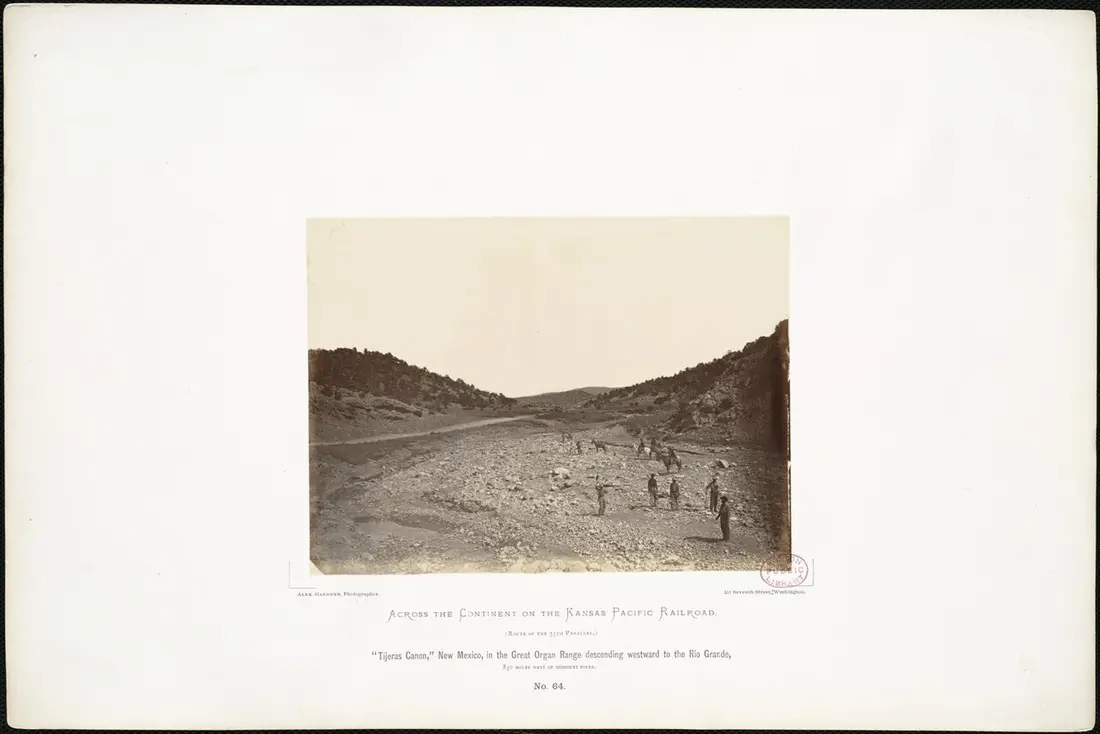
Wind is the third force. Spring is wind season, when gusts sweep off the West Mesa and through Tijeras Canyon for weeks at a time, and monsoon storms add their own outflow blasts in summer. Loose shingles, lifted tiles and tired seams are found by the wind long before they are found by the homeowner.

The city's roofscape matches the climate: flat pueblo-style roofs draining through canales and scuppers, pitched tile in the suburbs, shingles on the postwar neighborhoods, foam and coated roofs all over, and metal standing up to snow in the mountains. Each system fails in its own Albuquerque way, and the pages here are organized around exactly that.

Signs You Need Shingle Roofing

Granules washing off

Grit in gutters, canales and at downspout ends after storms means the shingle surface - its UV shield - is going bald.

Curling or cupping tabs

Shingles whose edges curl up or cup in the middle have baked past flexibility and no longer shed water or hold wind.

Cracked shingles across a slope

Fine cracks running through shingles on the sunny slopes are thermal aging made visible - the slope is spent.

Missing tabs after wind

Shingles in the yard after a spring blow mean the sealant strips let go - and the rows around the gap are usually next.

Dark streaks and patchy color

Uneven darkening shows where granules have worn unevenly; the bare patches age even faster without their grit.

Soft or spongy spots underfoot

A deck that feels soft through the shingles means water has been at the wood - a tear-off finding, not a surface one.

Why Shingle Roofing Is a Standing Job in Albuquerque

Shingle aging in Albuquerque is a south-slope story first. The sun-facing planes get the full UV dose and the hottest surface temperatures, so they granule, curl and crack years before the shaded north slope shows anything. Inspections here grade slopes separately because the roof is really two or three roofs of different ages.

Wind is the shingle roof's mechanical enemy. Spring gusts get under any tab whose sealant strip has baked and broken, and once one tab lifts, its neighbors' edges are exposed to the same prying. Whole corners of Albuquerque roofs peel this way in a single March weekend.

Under the shingles, the underlayment and deck live or die by attic ventilation. A hot, still attic bakes shingles from beneath and rots decking with trapped moisture. Shingle work that ignores the attic half of the system treats the symptom and keeps the cause.

Shingle Roofing Through the Albuquerque Year

Spring is wind season in Albuquerque, and it is roof season too. Weeks of gusts work at every loose edge the winter left behind, dust rides the wind into every valley and canale, and the first hot afternoons start the thermal cycling that splits old sealant. A spring inspection - before the monsoon - is the single most valuable appointment on the Albuquerque roof calendar.

Fall is the repair window. The monsoon ends, Balloon Fiesta fills the October sky, and the weather turns calm and dry - the right weeks to fix what the storms found, recoat what the sun thinned, and get a roof ready for winter nights. It is also when honest assessments happen, because a dry roof shows its true condition.

Summer splits in two: the hot, dry bake of June, when roof surfaces pass 150 degrees and coatings chalk and shingles soften, and the monsoon from July into September, when afternoon storms test every seam, flashing and drain the sun spent months weakening. Most Albuquerque leaks are born in June and discovered in August.

Shingle Roofing in Depth

The shingle roof's quiet tragedy in this climate is slope inequality: the same roof, installed the same week, ages into two roofs - the north slope still serviceable while the south is spent. Wise shingle work plans by slope. Sometimes that means a south-slope replacement while the north serves on; sometimes the attic ventilation fix that slows the whole system's bake. Blanket verdicts - all good or all gone - are usually a sign nobody actually graded the parts.

Fastening is the other under-discussed half. Shingles are a nailed, sealed system, and in wind country the pattern and placement of those nails and the integrity of the sealant strips are the roof's storm rating in practice. Two identical shingle roofs can have entirely different wind fates based on an installation detail nobody can see from the street - which is why windy-spring damage is so oddly selective between neighbors.

Choosing the Right Help

Choose shingle help on slope honesty: the roofer who grades each slope separately, counts layers, and looks in the attic before recommending is the one whose scope you can trust. Ask about fastening patterns for wind and what happens to attic ventilation in the plan - the answers separate installers from roofers.

The Climate Behind It

Albuquerque sits a mile high in the Rio Grande valley, and elevation writes the roof calendar: more than 300 days of sun a year, ultraviolet light noticeably stronger than at sea level, and thin dry air that swings thirty degrees or more between afternoon and night. Roofing materials here age on a faster clock than the ones printed on the wrapper.

The rain is the opposite story - only eight or nine inches in a typical year, but most of it arrives in the summer monsoon, in afternoon cloudbursts that can drop a month's worth of water in an hour. A roof in Albuquerque is not worn down by rain. It is worn down by sun, and then tested all at once by storms.

How Shingle Roofing Works

Grade every slope

The inspection reads each slope on its own wear, checks the deck from the attic side, and counts layers - so the scope fits the roof's real state.

Strip to a sound base

For replacement, old shingles and felt come off and any soft decking is replaced; for repair, damaged sections come up cleanly to sound material.

Install for wind and sun

New architectural shingles go down with the fastening and sealing pattern this wind climate calls for, with flashing renewed at every penetration and valley.

Vent and finish

Attic ventilation is checked against the new roof's needs, edges and ridges are finished, and the site is swept for nails and debris.

Doing It Yourself vs a Professional

The DIY Route

  • Nailing a few new shingles over curled, baked ones just gives the wind a layered edge to peel
  • Roofing over a soft deck hides rot that spreads through the framing below
  • Box-store sealant on cracked slopes buys weeks, and stains the diagnosis for the next repair
VS

The Professional Route

  • Each slope graded on its own wear - no whole-roof verdict from one corner
  • Fastening and sealing patterns chosen for Albuquerque wind, not generic minimums
  • Attic ventilation and deck condition included in the scope, not discovered later

Keep It From Coming Back

Shingle roofs ask for specific habits - watching the sunny slopes, minding the trees, keeping the attic breathing. The list below is tuned to how shingles actually age under this sun.

  • Check the south and west slopes first each spring - they age fastest and fail first.
  • Keep trees off the roof; shade grows algae and limbs rub granules off.
  • Make sure attic vents are open and working - a cool attic doubles as roof care.
  • Replace wind-lifted tabs before the next blow, while the rows around them still seal.
  • Clear granule build-up from canales and gutters so drainage stays honest.
  • Photograph slopes yearly from the same spots to see wear before it announces itself.
Shingle Roofing in the Surrounding Communities

The communities around Albuquerque share its sun and its storms - with their own twists of wind, wood and altitude.

Shingle Roofing in Corrales

Corrales is a farming village in the Rio Grande bosque between Albuquerque and Rio Rancho - acequias, horse pastures, adobe homes and the historic Casa San Ysidro along its one main road. It has kept a rural village character in the middle of the metro area.

Shingle Roofing in Bernalillo

Bernalillo is a historic town on the Rio Grande north of Albuquerque, beside the Coronado Historic Site and the ruins of Kuaua Pueblo. Old adobe neighborhoods line the river while newer subdivisions spread east toward I-25, and the town works as a hub for Placitas and the north valley.

Shingle Roofing in Placitas

Placitas is an unincorporated foothill community at the north end of the Sandia Mountains, between Bernalillo and the national forest. Custom homes spread across piΓ±on and juniper hillsides with big views, a quiet rural character and weather a step cooler than the valley floor.

Shingle Roofing in East Mountains

The East Mountains are the pine-covered communities behind the Sandias - Tijeras, Cedar Crest and the villages along the Turquoise Trail and the road up to Sandia Crest. At 6,500 feet and up, this is mountain country: cooler, wetter and snowier than the city it overlooks.

Where Shingle Roofing Is Needed Most

In the Heights and the foothills - Northeast Heights, Far Northeast Heights, Sandia Heights, Tanoan, High Desert and North Albuquerque Acres, Glenwood Hills, Four Hills, Uptown, Nob Hill - the housing runs from postwar neighborhoods to custom homes against the mountain, and shingle roofing follows the construction: tile and foam on the newer customs, shingles aging in full sun on the postwar streets, and wind exposure that grows with every street closer to the crest.

Across the valley and the Westside - University Area, Downtown, Old Town, Barelas, South Valley, North Valley and Los Ranchos, Westside, Taylor Ranch, Ventana Ranch, Paradise Hills, Rio Rancho - sit the city's oldest adobe and flat-roof stock, its historic districts and its fastest-growing subdivisions, which together make this the steadiest shingle roofing territory in the city.

Beyond the city line, the same work runs in Corrales, Bernalillo, Placitas, East Mountains, Sandia Park, Southeast Heights, Sawmill District, Bosque Farms - bosque villages, mesa-top suburbs and mountain communities where altitude, wood smoke and snow add their own chapters. Every one of these area pages carries the local detail for shingle roofing in that community.

Coverage, In Full

Shingle Roofing runs across the whole service map: the Northeast Heights, Far Northeast Heights, Sandia Heights, Tanoan, High Desert and North Albuquerque Acres; Glenwood Hills, Four Hills, Uptown, Nob Hill and the University Area; Downtown, Old Town, Barelas, the Sawmill District and the Southeast Heights; the South Valley, North Valley and Los Ranchos; the Westside, Taylor Ranch, Ventana Ranch and Paradise Hills; and beyond the city in Rio Rancho, Corrales, Bernalillo, Placitas, the East Mountains, Sandia Park and Bosque Farms. One call covers all of it - the local pages above carry the detail for each. If your street is not named here, call anyway: routes grow with demand, and most Albuquerque addresses are already within reach of a scheduled run.

From the Albuquerque Roofing Guides

Hail Damage on Albuquerque Roofs: What to Check After a Storm

Hail damage is mostly invisible from the ground - it bruises shingles, cracks tile, pits foam and loosens fasteners, and the proof lives in a hands-on inspection with dated photos. Check the witnesses first (dented soft metals, granule piles, fragments in the yard), then get the roof read slope by slope while the evidence and the claim window are both fresh.

Read the Guide

Getting Your Albuquerque Roof Ready for Monsoon Season

The monsoon does not damage sound roofs - it finds the damage the dry season already did, and delivers a season's worth of rain in single afternoons from July through September. Prepare in spring: clear every drain path, renew split sealant, secure loose material, and check the attic side - the four things that decide how a roof weathers the storms.

Read the Guide

Foam Roof Recoating: The Schedule That Keeps a Foam Roof Alive

A foam roof is only as good as the coating over it: spray foam cannot face Albuquerque's UV alone, so the coat is renewed every five to seven years - that cycle IS the roof's lifespan plan. Read the coat yearly - chalking, thinning, cracks and pits - and recoat while the foam beneath is still sound and dry, when the job is a renewal instead of a rebuild.

Read the Guide

Shingle Roofing Questions

What do the granules on shingles actually do?

Granules are the shingle's sunscreen and armor: they block UV from the asphalt and take the weather's abrasion. As they shed, the asphalt bakes and cracks faster, which sheds more granules - the spiral every Albuquerque shingle roof eventually enters, fastest on the sunny slopes.

Should I worry about dark streaks on my Albuquerque shingles?

Dark streaking is usually algae staining, common where shade or dust holds moisture - cosmetic more than structural. The wear to worry about is granule loss, cracking and curling. An inspection separates the stains from the real aging in a few minutes.

Can shingles be installed over my existing Albuquerque roof?

A second layer is sometimes permitted, but it hides deck condition, adds weight, and the new shingles age faster over a hot, uneven base. In this climate the tear-off is usually the right call, and any roofer recommending an overlay should show you attic-side deck evidence first.

What affects the cost of shingle work in Albuquerque?

Roof size, pitch and story count, the shingle grade chosen, how many layers come off, deck repairs found underneath, and flashing and ventilation work. A quote that has not counted layers or looked in the attic is a guess with a number attached.

How long do shingles last in Albuquerque?

Shorter than the package says. Architectural shingles rated at 25-30 years commonly give 18-25 in Albuquerque's sun, with south and west slopes at the low end. Three-tab shingles, still found on older homes, give less. The inspection grades your actual slopes rather than the label.

Can part of my Albuquerque shingle roof be replaced?

A slope or a section can be replaced when the rest is sound, and repairs are routine. Two honest caveats: new shingles will not color-match sun-aged ones exactly, and if every slope is near end-of-life, sections become a subscription. The roofer should show you the slope grades behind the advice.

Why did my Albuquerque shingles blow off when my neighbor's did not?

Sealant strips and fastening decide wind fate more than shingle brand. A roof whose strips baked and released - or that was nailed high or light - lets go in gusts a well-sealed roof shrugs off. Age shows up first exactly there.

Are architectural shingles worth it in Albuquerque?

For most Albuquerque homes, yes: the thicker laminated shingle carries more asphalt and granule protection against UV, and it is rated for higher wind than the old three-tab. On a roof expected to serve twenty years under this sun, the upgrade is the practical choice more often than not.

Please note: Albuquerque Roofing Pros is an independent directory and referral service, not a roofing contractor. The professionals reachable through this site are independent businesses; any agreement for work is between you and the professional you engage. Service information on this site is general educational material - the scope of any real roofing work is set by an on-site inspection.

A Leak Over the Living Room, Tiles on the Driveway or a Flat Roof Holding Water?

One call connects you with a roofing professional serving Albuquerque and the surrounding communities - inspection, repair, replacement and upkeep.

πŸ“ž Call Now
πŸ“ž Call Now