The monsoon does not damage sound roofs - it finds the damage the dry season already did, and delivers a season's worth of rain in single afternoons from July through September.
Problem: The monsoon does not damage sound roofs - it finds the damage the dry season already did, and delivers a season's worth of rain in single afternoons from July through September.
Solution: Prepare in spring: clear every drain path, renew split sealant, secure loose material, and check the attic side - the four things that decide how a roof weathers the storms.
When to call: Call before the season if drainage is blocked, coatings are spent or seams have split - and immediately after any storm that drops material in your yard or starts a new leak.
Albuquerque's monsoon is a strange kind of rainy season: weeks of dry heat broken by violent afternoon storms that can drop a month's rain in an hour, with hail and outflow winds riding along. Roofs do not experience it as weather; they experience it as an examination - of every seam, drain and loose edge the dry months created. This guide is the study plan, timed for spring, while the fixes are still small and the schedule is still calm.
The Albuquerque Angle
Wind is the third force. Spring is wind season, when gusts sweep off the West Mesa and through Tijeras Canyon for weeks at a time, and monsoon storms add their own outflow blasts in summer. Loose shingles, lifted tiles and tired seams are found by the wind long before they are found by the homeowner.
Drainage: The Whole Game on Flat Roofs
On a flat roof, monsoon readiness is drainage readiness. Walk the system in your mind: rain lands, flows to the canales or scuppers, exits, and reaches the ground. Every break in that chain is a pond, and every pond is water standing against seams for hours. Clear canales of the grit and leaves the wind season delivered, check scupper mouths, and confirm downspouts actually run - a bucket of water poured at the drain tells the truth.
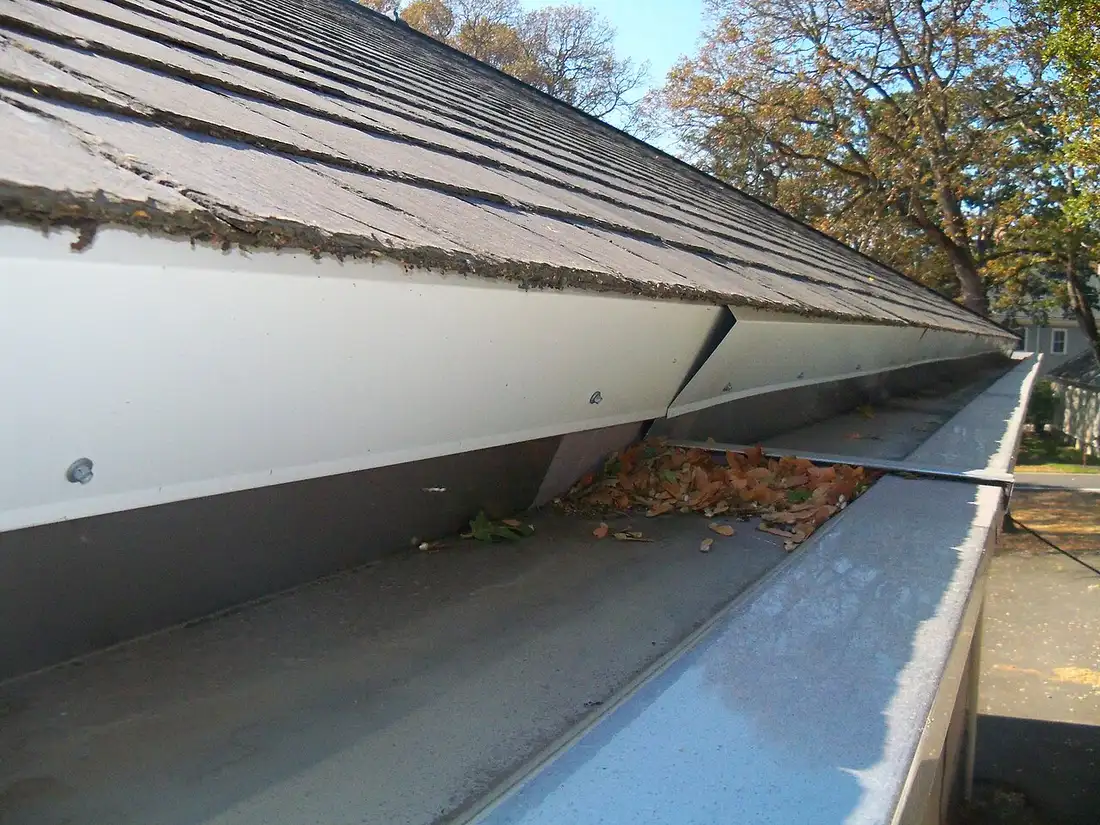
Pitched roofs have their own version: valleys clear of debris, gutters (where they exist) flowing, and the ground-level exits open. A valley dammed with leaves pours its water sideways under the courses above it. The debris that matters blew in during spring - which is why the clearing belongs to spring, not to the first storm's eve.
Seams, Sealant and the Small Openings
The second pass works the detail list the sun spent the dry season attacking: sealant rings at vents, pipes and chimneys; flashing joints; seams on membranes and foam; the canale surrounds where drains pierce parapets. Split, shrunken or missing sealant is renewed now, while it is a tube-and-ladder job. On foam and coated roofs, check the coat itself: chalked thin or cracked areas are the season's first leak addresses.
Pitched roofs add their own items: lifted or curled shingle tabs to reseat or replace, slipped tiles to reset, cracked tiles to swap, ridge caps to check. Every loose piece found calmly in May is a piece that will not be found in the yard in August, with the underlayment beneath it opened to the storm.
PROBLEM
→
SOLUTION
The Attic and the Record
Finish below the roof. In the attic, look for daylight at penetrations, old stains that map past leaks, damp or compressed insulation, and any deck softness. The attic check tells you where the roof has already been talking; going into monsoon season knowing those addresses means a new stain is recognized as news instead of discovered as damage.
Then start the season's file: dated photos of the roof from the ground, the inspection notes, and a saved number to call. When a storm does find something, that file - showing the roof's condition before the weather - is what turns a stressful week into a documented, handled one. Preparation is partly physical; the rest is evidence.
What the First Storm Finds, Every Year
Ask roofers what the season's opening calls look like and the list barely changes: ponded flat roofs whose canales clogged over spring, leaks at vent flashings whose sealant split in the June bake, shingles in yards from the first outflow gust, and foam coats that went one summer too long. None of these are storm damage in the true sense - they are dry-season findings the storm merely delivered.
The comforting half of that list: every item on it was cheap in May. The prep work in this guide is not a new invention each year; it is the same short list, and the homes that run it treat monsoon season as weather rather than as an annual emergency with a roof-shaped cause.
Prep for the Special Cases: Tile, Foam, Mountains
Tile roofs add two items: valleys cleared of the grit and leaf dams that pour water under courses, and cracked pieces swapped before storms funnel water onto the felt. Foam roofs add the coat check - pits and cracks filled and sealed, because monsoon water finds every break in the skin and foam hides where it went.
Foothill and mountain homes add wind and debris: ridge and edge fastening checked against canyon gusts, limbs over the roof assessed while the roof is dry and the tree crew can work safely, and drainage sized for the cloudbursts that form right over the mountain and arrive with almost no warning.
Myth vs Fact
The Myth
If a roof is going to leak, it will leak - preparation does not change the outcome. Fatalism is common after a bad season, and it sounds like experience.
VS
The Fact
Nearly every monsoon leak traces to a condition that existed, findable and fixable, in the dry months. The storm is the messenger. The seams, drains and loose material it reports on were set in spring - which is why the prep happens then.
The Related Service, In Depth
Storm damage has an evidence clock that other roof work does not. Granule patterns wash clean, creased shingles settle, debris gets cleared by helpful family members, and within weeks the roof's story is much harder to tell. Insurance timelines formalize what weather already enforces: the damage map must be drawn early, with dated photographs, while the storm's signature is still legible on the roof.
That is the service side of this guide's subject. When you are ready, the Storm Damage Repair page carries the process, the coverage by neighborhood and the number to call.
The Process, Step by Step
Clear every water path
Canales, scuppers, valleys, gutters and downspouts - flowing freely before the first storm cell builds.
Renew the seals
Split sealant, open seams and tired flashing joints resealed or repaired while they are dry-weather jobs.
Secure loose material
Lifted shingles, slipped tiles and tired ridge caps fixed; anything the wind could take is fastened or replaced.
Read the attic and file the record
Attic checked for light, stains and softness; dated photos saved with the number you will call if the season finds something.
Prevention Checklist
Do the prep in April or May - roofer schedules fill the week the first storm is forecast.
Repeat the drainage check after the first big storm; it delivers a fresh load of debris.
Trim limbs over the roof in spring, before they are storm-loaded and over a wet roof.
Keep the attic hatch accessible all season; mid-storm is the wrong time to move boxes.
After each major storm, do a ground walk: yard debris is the roof's damage report.
A Field Checklist for Your Own Home
Say the date out loud
prep finished by mid-June, every year, like the swamp cooler changeover.
Walk the yard after prep and photograph the roof from all four sides - your before file.
Stock one thing
the roofer's number, in the phone, before the season makes everyone busy.
After the first storm, do the ground walk again and note anything new for the call list.
What the Paperwork Should Show
A booked monsoon-prep visit includes the full close read: drainage cleared and flow-tested, seams and joints probed, sealant renewed where split, loose material refastened, attic checked for old stains that predict new ones, and photographs of anything found.
What you receive is a short written summary - what was done, what was found, what can wait and what should not - so the season starts with the roof's condition as a document, not a hope.
How a Professional Works This Problem
The professional's calendar has the prep done before the humidity rises - not for comfort, but because sealants cure and coatings set best in the dry heat, and because the first storm's lessons are only useful if there is still season left to act on them. June work is roof work; July work is damage control at emergency pace and price.
Mistakes That Make It Worse
Booking prep after the first big storm, when every roofer's board is full of leaks.
Clearing drains without flow-testing them - a clear-looking canale can still be cracked at the wall.
Assuming last year's good roof is this year's good roof; one bake season is a long time for sealant.
Skipping the attic in prep - old stains are the forecast for new leaks.
The Bottom Line
Monsoon season will bring the rain regardless; whether it brings a roofing emergency is largely decided in the six weeks before it. The prep visit is an hour of a roofer's June against a summer of your ceilings - book it while the sky is still blue and the schedule still has room.
A new roof's cost is set by the roof itself - its size and pitch, the system chosen, how many old layers come off, and what the tear-off finds in the deck - which is why honest numbers only exist after an inspection.
Tile sheds most water, but the underlayment beneath it is what actually waterproofs the roof - and in Albuquerque heat it bakes brittle and fails in twenty to thirty years while the tile still looks new.
When exactly should monsoon prep happen in Albuquerque?
Spring - April through early June - after the worst of the wind season and before the monsoon's typical July start. That timing lets the prep answer the wind's damage and precede the water's arrival. A fall inspection then grades how the roof actually weathered the season.
My roof survived last monsoon. Can I skip this year?
Surviving last year is last year's news: the sun and wind have done another year of work on every seal and seam since. The prep scales with what the inspection finds - a sound roof's prep is an hour of clearing and checking, not a project. Skipping is how 'survived last year' becomes 'failed this year'.
What is the single most important prep task?
For flat roofs, drainage - clear canales and scuppers, no contest. For pitched roofs, loose material and split sealant at penetrations share the honor. In both cases the theme is identical: the storms test water paths and details first, so prep them first.
A storm is forecast tonight and I have not prepped. What now?
Do the safe minimum from the ground: clear reachable drain mouths and ground-level debris, move anything stored under known stain spots, put containers where a drip would land, and know where the attic hatch is. Then book the inspection for the first calm day - the season is three months long, and most of it is still ahead of you.
Please note: Albuquerque Roofing Pros is an independent directory and referral service, not a roofing contractor. The professionals reachable through this site are independent businesses; any agreement for work is between you and the professional you engage. Service information on this site is general educational material - the scope of any real roofing work is set by an on-site inspection.
A Leak Over the Living Room, Tiles on the Driveway or a Flat Roof Holding Water?
One call connects you with a roofing professional serving Albuquerque and the surrounding communities - inspection, repair, replacement and upkeep.