Storm Damage Repair Through the Albuquerque Year
Albuquerque winters are cold nights and bright days rather than deep snow - but the freeze-thaw cycle is hard on roofs. Water that seeped into a crack by day expands as ice by night, snow lingers on the foothill and mountain roofs, and the low winter sun hides damage that the spring winds will find. Winter is inspection and planning season here.
Fall is the repair window. The monsoon ends, Balloon Fiesta fills the October sky, and the weather turns calm and dry - the right weeks to fix what the storms found, recoat what the sun thinned, and get a roof ready for winter nights. It is also when honest assessments happen, because a dry roof shows its true condition.
Summer splits in two: the hot, dry bake of June, when roof surfaces pass 150 degrees and coatings chalk and shingles soften, and the monsoon from July into September, when afternoon storms test every seam, flashing and drain the sun spent months weakening. Most Albuquerque leaks are born in June and discovered in August.
Storm Damage Repair in Depth
Storm damage has an evidence clock that other roof work does not. Granule patterns wash clean, creased shingles settle, debris gets cleared by helpful family members, and within weeks the roof's story is much harder to tell. Insurance timelines formalize what weather already enforces: the damage map must be drawn early, with dated photographs, while the storm's signature is still legible on the roof.
The second clock is honesty about fractions. A storm that damages a third of a roof does not create a whole-roof entitlement, and a storm that damages most of one does not deserve a patch. Repair scopes drawn from the measured damage - not from the maximum either side hopes for - are the ones that settle claims cleanly and leave roofs actually fixed, which is the point of the exercise on every side of it.
Choosing the Right Help
Choose storm help on documentation and independence: your own inspection, your own photos, a scope drawn from measurement rather than enthusiasm. The roofer who will tell an insurer 'this slope is fine' as readily as 'this one is damaged' is the one whose damaged-slope findings carry weight when it matters.
The Climate Behind It
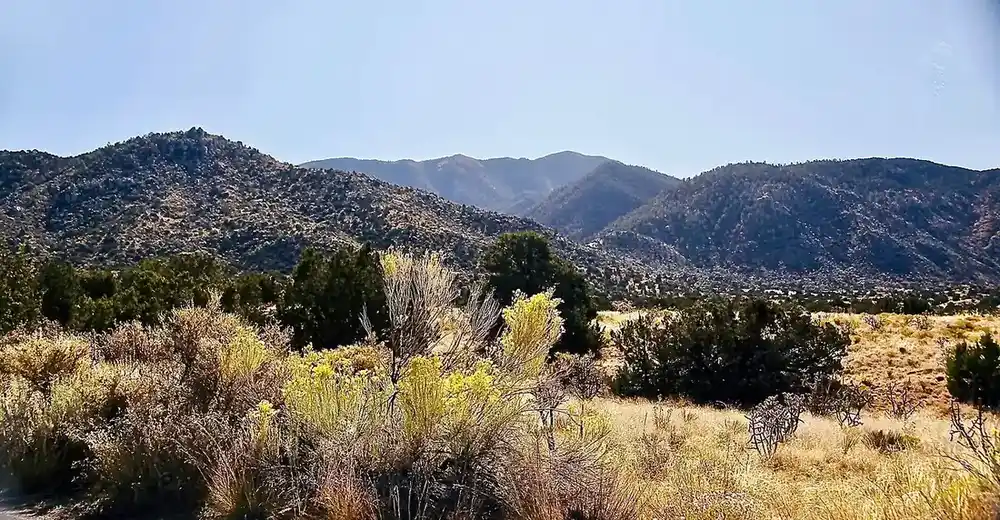
Albuquerque sits a mile high in the Rio Grande valley, and elevation writes the roof calendar: more than 300 days of sun a year, ultraviolet light noticeably stronger than at sea level, and thin dry air that swings thirty degrees or more between afternoon and night. Roofing materials here age on a faster clock than the ones printed on the wrapper.
The rain is the opposite story - only eight or nine inches in a typical year, but most of it arrives in the summer monsoon, in afternoon cloudbursts that can drop a month's worth of water in an hour. A roof in Albuquerque is not worn down by rain. It is worn down by sun, and then tested all at once by storms.
How Storm Damage Repair Works
Walk and document the damage
The inspection maps impact, lift and water evidence slope by slope, with dated photos - the record the repair and any insurance claim both stand on.
Make the roof weather-tight
Openings are covered, lifted material secured and drainage cleared, so the next storm does not add to the list while repairs are scheduled.
Rebuild the damaged sections
Failed shingles, tiles, seams, flashings and deck sections are replaced with matched material, set to the surrounding pattern and fastening.
Close out with the full record
You receive the before-and-after documentation: what the storm did, what was rebuilt, and the state of the rest of the roof.
Doing It Yourself vs a Professional
The DIY Route
- Replacing the split shingles you can see leaves the bruised, shortened-life ones you cannot scattered across the slope
- Signing with the first crew at the door trades your claim's scope for their speed
- Climbing up right after a storm, on a wet roof, to count damage is a fall risk for a job photos from a ladder can start
VS
The Professional Route
- Damage mapped by test and touch, not by glance - bruised and creased material identified in place
- Weather-tight first, then permanent rebuilds matched to the existing roof
- Documentation built for the claim file from the first visit
Keep It From Coming Back
Storm outcomes are decided partly by preparation done months earlier. The habits below make a roof harder to damage, faster to document, and simpler to put right when the weather has done its worst.
- Get the inspection booked within days of a big storm - evidence fades and claim windows run.
- Photograph the storm itself if you can: hail size beside a coin, in your hand, dated.
- Do not sign anything with door-knocking storm crews before an independent read of the damage.
- Keep weak trees trimmed; limb damage is the storm repair most preventable in advance.
- After repairs, walk the ground after the next storm and compare - new debris means new damage.
- File every storm record with the roof's maintenance history, storm by storm.