Tile Roofing in South Valley
Tile Roofing for South Valley homes - local conditions, a clear process, and one call to get it started.
There is a reason this page exists separately from the Albuquerque one: South Valley runs its own version of every roofing problem in the valley.
Tile roofing in South Valley holds a secret every local roofer knows: the tile is not the waterproofing. Clay and concrete tile can outlast the house, but the felt underlayment beneath it - the layer that actually keeps water out - bakes, dries and fails in twenty to thirty years of Albuquerque sun. Tile work here is mostly about that hidden layer.
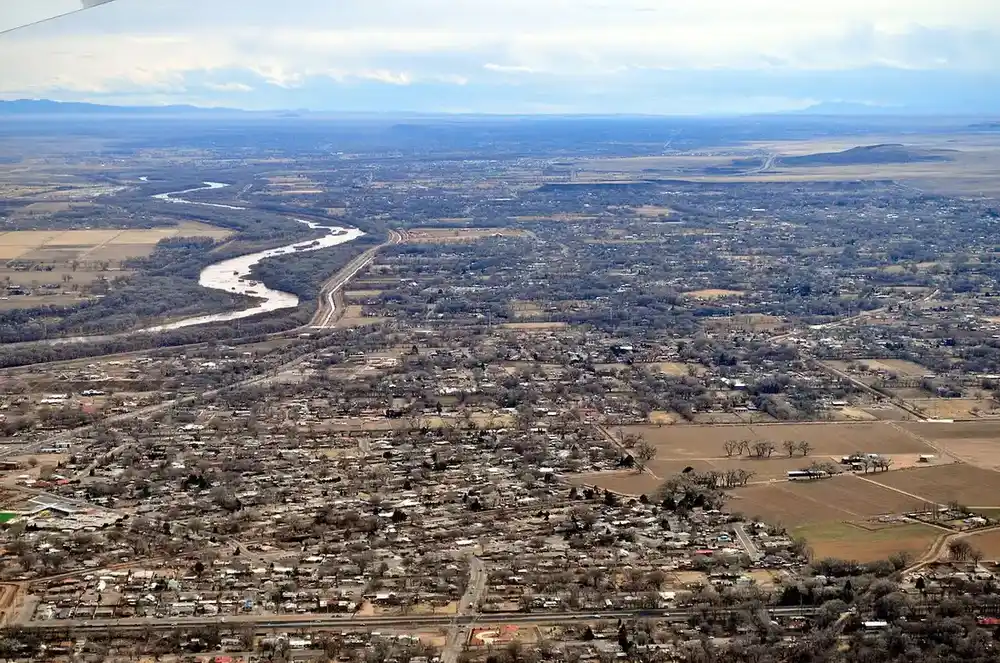
The South Valley is the agricultural heart of the metro area - an unincorporated valley-floor community of farms, acequias, older homes and small neighborhoods along the Rio Grande south of downtown. Cottonwoods shade the ditch banks, and many families have held the same land for generations.
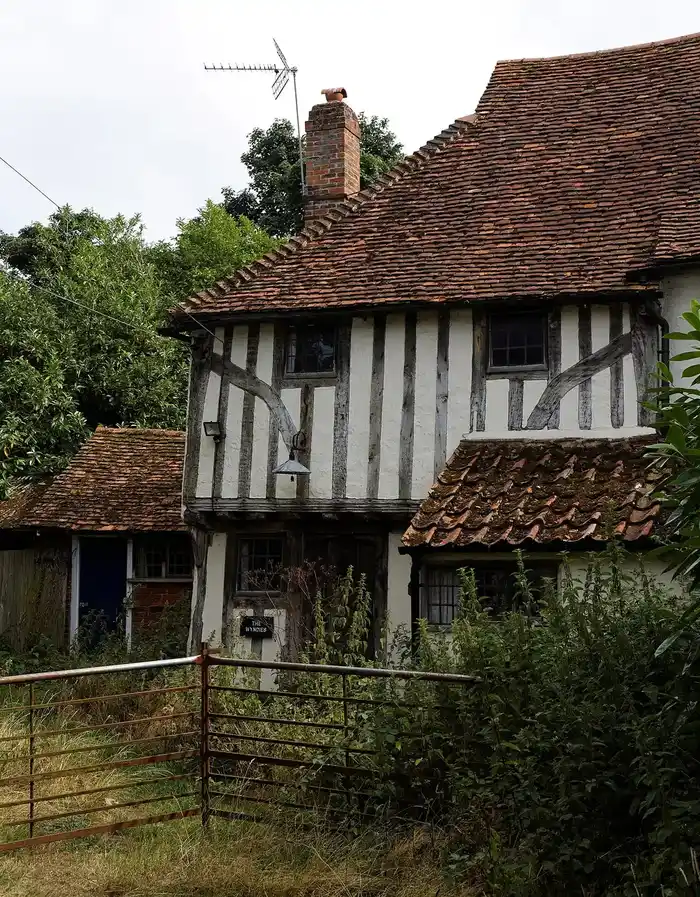
No two Albuquerque neighborhoods age a roof the same way. Older ranch homes, adobe houses and farm properties from many eras, mixing flat and pitched roofs, plus barns and outbuildings - and that shapes the roofing work directly. Valley-floor roofs bake in still, hot air and sit under cottonwoods that shed limbs and leaves into every valley and canal. For tile roofing in South Valley, the roofs here reward the owners who check the felt before the felt announces itself.
A tile roofing day in South Valley runs on local time: up before the afternoon build-up, watching the clouds stack over the mountain, reading roofs in the flat morning light that shows every lifted seam and tired coat. The work near the Rio Grande and the valley acequias is scheduled around the sky, because the sky here is a participant, not a backdrop.
Signs South Valley Homes Need Tile Roofing
Debris dammed in valleys
Leaves, grit and nesting packed into tile valleys hold water against the underlayment and back it up under the tile courses.
Cracked tiles after storms
Hail, limbs and foot traffic crack tiles; each crack is a funnel that pours water straight onto the underlayment.
Leaks with no visible damage
The tile-roof classic: the surface looks sound, the ceiling stains anyway.
Why This Work Runs in South Valley
Underlayment lives in an oven. Heat trapped under sun-baked tile cooks the felt's oils out year after year until it turns to cracker - stiff, split at every nail and fold. Albuquerque's tile roofs from the 1990s and early 2000s are reaching that point together, street by street, no matter how good the tile above looks.
Valley-floor roofs bake in still, hot air and sit under cottonwoods that shed limbs and leaves into every valley and canal. Older homes often carry roofs well past their intended life, and monsoon runoff off the mesa floods low streets and tests every roof edge.
In South Valley, that plays out street by street - and the felt's grade, read at the sample lifts, is the number the whole plan hangs on. The South Valley detail that matters most is easy to miss from the street: what the blocks behind the Rio Grande and the valley acequias are doing with slope and drainage.
Summer splits in two: the hot, dry bake of June, when roof surfaces pass 150 degrees and coatings chalk and shingles soften, and the monsoon from July into September, when afternoon storms test every seam, flashing and drain the sun spent months weakening. Most Albuquerque leaks are born in June and discovered in August.
What a good visit looks like: the roofer arrives with the right equipment for the roof you described, inspects before quoting, and works the source - the entry, the seam, the drain - rather than the symptom you happened to see. Anything that needs a follow-up is scheduled before they leave.
Around the Rio Grande and the valley acequias, the season shows up early: exposed blocks and mature roofs run a few weeks ahead of the sheltered ones.
One more preparation that matters in the desert: tell the office about any solar panels, swamp coolers or skylights on the roof. Rooftop equipment shapes inspection routes more than most homeowners expect.
How Tile Roofing Works in South Valley
The full step-by-step process for this service - inspection, scope, the work itself and follow-up - is laid out on the main Tile Roofing page. In South Valley the same sequence runs with the local map in hand: the drainage around the Rio Grande and the valley acequias, the housing pattern described above, and the exposure this neighborhood actually carries.
The South Valley Angle
In South Valley, the job starts from the ground truth of the neighborhood - the blocks near the Rio Grande and the valley acequias, the age of the housing, and the exposure the terrain hands it. Where the weather lands hardest follows the housing. Older ranch homes, adobe houses and farm properties from many eras, mixing flat and pitched roofs, plus barns and outbuildings.
The roof side of the equation is just as local. Valley-floor roofs bake in still, hot air and sit under cottonwoods that shed limbs and leaves into every valley and canal. Older homes often carry roofs well past their intended life, and monsoon runoff off the mesa floods low streets and tests every roof edge. A proper tile roofing call in South Valley therefore starts with reading - the exposure, the entries, the evidence - and only then moves to the work.
South Valley does not sit alone on the map. It weathers the same storms as Barelas, Bosque Farms and Downtown - the same cells build over the mountain, the same sun works the same materials, and the same seasons move through all of them within the same few weeks. Read together, these neighborhoods tell one story - and this service is the chapter most of them eventually need.
On the route map, South Valley sits in the albuquerque area group, ZIP 87105 - close enough to Barelas, Bosque Farms that crews work them on the same runs. Crews working a route learn its roofs - the repeat leaks, the chronic ponds, the slopes that go first - and tile roofing gets better every run.
Prevention That Helps in South Valley
- Trim limbs above tile roofs; a dropped branch is a dozen cracked tiles at once.
- Replace a cracked tile the month you spot it, not the season you remember it.
- Keep foot traffic off the tile; anyone who must walk it should know the pattern - or stay off.
Older ranch homes, adobe houses and farm properties from many eras, mixing flat and pitched roofs, plus barns and outbuildings.
Keep Exploring
Tile Roofing nearby:
- Tile Roofing in Barelas
- Tile Roofing in Bosque Farms
- Tile Roofing in Downtown
- Tile Roofing in North Valley
More services in South Valley:
- Roof Inspection in South Valley
- Roof Maintenance in South Valley
- Foam Roofing in South Valley
- Roof Replacement in South Valley
See the full roofing page for South Valley and the Tile Roofing overview for Albuquerque.
Tile Roofing in South Valley - Questions
Can broken tiles on my South Valley roof just be replaced one by one?
Yes - individual replacement is routine maintenance, and prompt replacement protects the felt below. The exception is when breakage is widespread or the felt under the broken area has already failed; then the honest scope widens, and the inspection will show you why, tile lifted.
My South Valley tile roof looks fine. Why would it leak?
Because the waterproofing is not the part you can see. The underlayment beneath tile bakes and splits with age while the tile above it looks unchanged. Water through a cracked tile or a dammed valley lands on that failed felt and enters. Looking fine is exactly how underlayment failure presents.
What makes Tile Roofing different in South Valley than in the rest of Albuquerque?
The trade is the same; the map is not. South Valley has its own housing pattern, its own exposure and its own drainage - foothill, bosque, mesa or valley floor. Tile Roofing here is planned from those three, which is why this page exists separately from the citywide one.
A Leak Over the Living Room, Tiles on the Driveway or a Flat Roof Holding Water?
One call connects you with a roofing professional serving Albuquerque and the surrounding communities - inspection, repair, replacement and upkeep.
📞 Call Now