Tile Roofing in Westside
Tile Roofing for Westside homes - local conditions, a clear process, and one call to get it started.
Ask what makes tile roofing local in Westside and the answer is geography: the same trade, a different map.
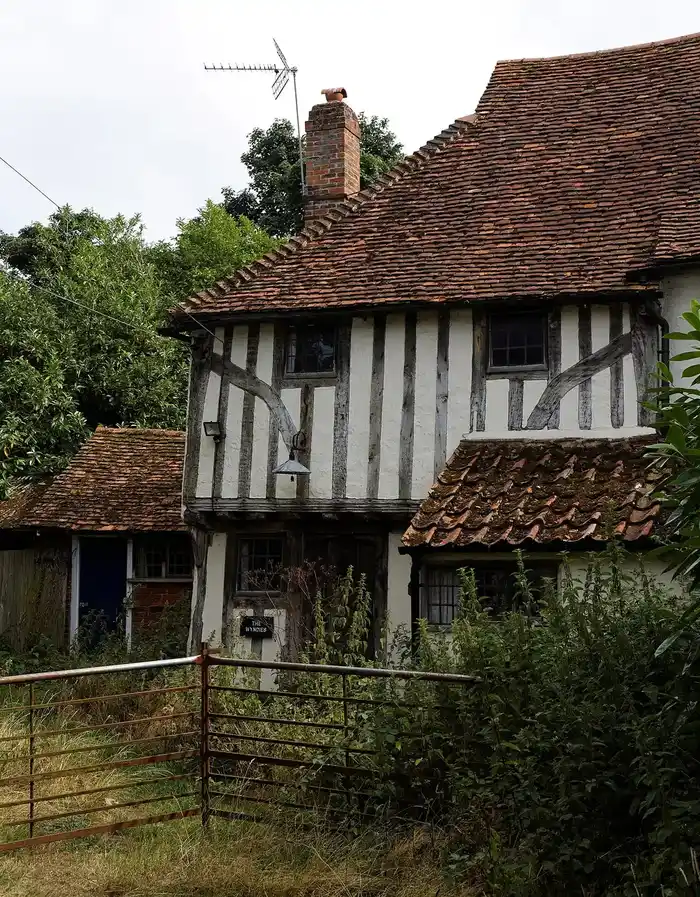
Tile in Westside earns its keep in this climate - it shrugs off UV that destroys other materials and it suits the Southwest's looks. But it asks for its own discipline: walk it right, keep the valleys clear, replace broken pieces fast, and plan the underlayment renewal that every tile roof eventually needs.
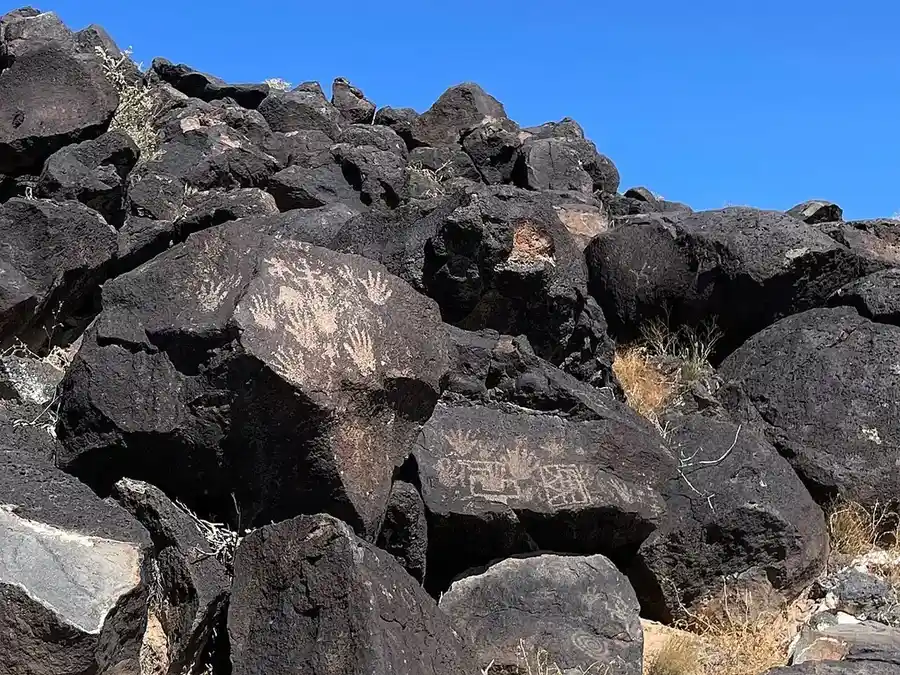
Albuquerque's Westside spreads across the West Mesa below the volcanic escarpment of Petroglyph National Monument. It grew fast from the 1980s onward into the city's biggest residential expanse - subdivisions, schools and shopping along Coors Boulevard, with open desert never far away.
This part of the valley has its own version of every roof. 1980s-2000s subdivision homes, mostly pitched shingle and tile roofs with some flat-roofed Southwest designs - and that shapes the roofing work directly. West Mesa wind is the Westside's roof enemy - open fetch across the mesa lifts shingles and rattles tile, and blowing grit sandblasts coatings. For tile roofing in Westside, the roofs here reward the owners who check the felt before the felt announces itself.
The conversation at the door in Westside usually starts with weather: the storm in July, the wind in April, the winter the pipes and the seams both complained. tile roofing here is weather work, and the roof near Petroglyph National Monument is examined as a record of every season it has stood through - because that record is exactly what it is.
Signs Westside Homes Need Tile Roofing
Stains at the same spots yearly
Leaks that return to the same ceiling spots each monsoon are a valley or underlayment address, not a random one.
Slipped or crooked tiles
Tiles out of line have lost their fastening or their battens - and the underlayment under them is taking direct weather.
Cracked tiles after storms
Hail, limbs and foot traffic crack tiles; each crack is a funnel that pours water straight onto the underlayment.
Why This Work Runs in Westside
Underlayment lives in an oven. Heat trapped under sun-baked tile cooks the felt's oils out year after year until it turns to cracker - stiff, split at every nail and fold. Albuquerque's tile roofs from the 1990s and early 2000s are reaching that point together, street by street, no matter how good the tile above looks.
West Mesa wind is the Westside's roof enemy - open fetch across the mesa lifts shingles and rattles tile, and blowing grit sandblasts coatings. Subdivision roofs from the 1990s are now reaching replacement age street by street.
In Westside, that plays out street by street - and the felt's grade, read at the sample lifts, is the number the whole plan hangs on. The Westside detail that matters most is easy to miss from the street: what the blocks behind Petroglyph National Monument are doing with slope and drainage.
Albuquerque winters are cold nights and bright days rather than deep snow - but the freeze-thaw cycle is hard on roofs. Water that seeped into a crack by day expands as ice by night, snow lingers on the foothill and mountain roofs, and the low winter sun hides damage that the spring winds will find. Winter is inspection and planning season here.
Expect the findings to be specific: this canale, that flashing joint, the seam at the parapet, the felt at the valley. Vague findings produce vague results. A visit that ends with a map - of entries, of drainage, of what gets fixed and what gets watched - is a visit that was worth booking, whatever the roof turns out to need.
As the season turns, the work in Westside shifts from the surface to the details: what the summer opened, the fall must close before the cold nights start their own testing.
One more preparation that matters in the desert: tell the office about any solar panels, swamp coolers or skylights on the roof. Rooftop equipment shapes inspection routes more than most homeowners expect.
How Tile Roofing Works in Westside
The full step-by-step process for this service - inspection, scope, the work itself and follow-up - is laid out on the main Tile Roofing page. In Westside the same sequence runs with the local map in hand: the drainage around Petroglyph National Monument, the housing pattern described above, and the exposure this neighborhood actually carries.
The Westside Angle
Ask anyone who roofs Westside and they will tell you the pattern repeats: the sun bakes, the wind tests, and the monsoon grades the result. Where the weather lands hardest follows the housing. 1980s-2000s subdivision homes, mostly pitched shingle and tile roofs with some flat-roofed Southwest designs.
What the neighborhood built, aged and patched fills in the rest. West Mesa wind is the Westside's roof enemy - open fetch across the mesa lifts shingles and rattles tile, and blowing grit sandblasts coatings. Subdivision roofs from the 1990s are now reaching replacement age street by street. The result, when the work follows the map, is a tighter roof and a shorter list of surprises next season.
Westside does not sit alone on the map. It weathers the same storms as Taylor Ranch, Ventana Ranch and Paradise Hills - the same cells build over the mountain, the same sun works the same materials, and the same seasons move through all of them within the same few weeks. Which is the last word on method here: read the neighborhood pattern, not just the house that called.
On the route map, Westside sits in the albuquerque neighborhood group, ZIP 87120 - close enough to Taylor Ranch, Ventana Ranch that crews work them on the same runs. Crews working a route learn its roofs - the repeat leaks, the chronic ponds, the slopes that go first - and tile roofing gets better every run.
Prevention That Helps in Westside
- Keep valleys and tile channels clear of leaves and grit - dams are underlayment killers.
- Keep foot traffic off the tile; anyone who must walk it should know the pattern - or stay off.
- Have sample tiles lifted every few years to check the felt - the roof's real age is underneath.
1980s-2000s subdivision homes, mostly pitched shingle and tile roofs with some flat-roofed Southwest designs.
Keep Exploring
Tile Roofing nearby:
- Tile Roofing in Taylor Ranch
- Tile Roofing in Ventana Ranch
- Tile Roofing in Paradise Hills
- Tile Roofing in Rio Rancho
More services in Westside:
- Roof Coatings in Westside
- Roof Maintenance in Westside
- Storm Damage Repair in Westside
- Emergency Roof Repair in Westside
See the full roofing page for Westside and the Tile Roofing overview for Albuquerque.
Tile Roofing in Westside - Questions
How long does tile roofing last in Westside?
The tile itself: fifty years and beyond for clay, somewhat less for concrete. The underlayment beneath it: roughly twenty to thirty years in Albuquerque heat. A tile roof is really a long-life surface on a medium-life waterproofing layer, and it should be budgeted that way.
What is a lift-and-relay on a Westside tile roof?
The tile is carefully lifted and stacked, the old underlayment stripped, the deck checked, new underlayment installed, and the original tile relaid - replacing broken pieces as needed. Because the tile itself is reused, it is the standard renewal for tile roofs whose surface still has decades in it.
How is Tile Roofing priced for a home in Westside?
By the roof, not the address: its size, pitch and material, the layers involved, the drainage and detail work the inspection confirms, and the scope you approve. The explanation comes before any work begins, and the scope in writing is what the work follows.
A Leak Over the Living Room, Tiles on the Driveway or a Flat Roof Holding Water?
One call connects you with a roofing professional serving Albuquerque and the surrounding communities - inspection, repair, replacement and upkeep.
📞 Call Now