Foam Roofing Through the Albuquerque Year
Albuquerque winters are cold nights and bright days rather than deep snow - but the freeze-thaw cycle is hard on roofs. Water that seeped into a crack by day expands as ice by night, snow lingers on the foothill and mountain roofs, and the low winter sun hides damage that the spring winds will find. Winter is inspection and planning season here.
Spring is wind season in Albuquerque, and it is roof season too. Weeks of gusts work at every loose edge the winter left behind, dust rides the wind into every valley and canale, and the first hot afternoons start the thermal cycling that splits old sealant. A spring inspection - before the monsoon - is the single most valuable appointment on the Albuquerque roof calendar.
Summer splits in two: the hot, dry bake of June, when roof surfaces pass 150 degrees and coatings chalk and shingles soften, and the monsoon from July into September, when afternoon storms test every seam, flashing and drain the sun spent months weakening. Most Albuquerque leaks are born in June and discovered in August.
Foam Roofing in Depth
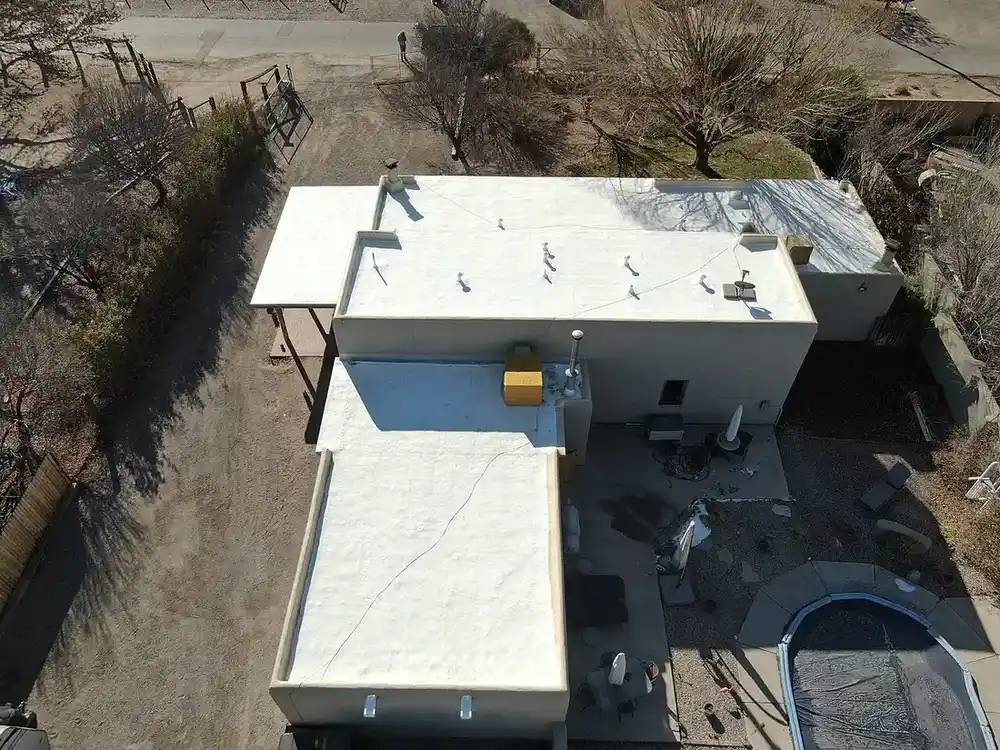
Foam is best understood as a roof you garden rather than a roof you own outright. Its surface is alive in the sense that it must be renewed on a cycle, and its failures come from lapses of attention rather than from single events. The owners who love their foam roofs - and many do, for decades - are the ones who put the recoat on the calendar the day the foam went down.
Moisture is foam's only serious mystery. Foam can hold water from a coating breach and carry it laterally, so a small ceiling stain can sit below a surprisingly wide wet field. That is why foam diagnosis uses meters and core samples instead of confidence. The good news: wet foam is findable, removable and rebuildable in sections, and a foam roof honestly mapped can almost always be brought back to a clean recoat.
Choosing the Right Help
Choose foam help on moisture talk. The applicator worth hiring meters and samples before quoting a recoat, specifies coating thickness in the bid, and dates the recoat clock in writing. Foam is a system with a calendar; hire the crew that talks like it.
The Climate Behind It
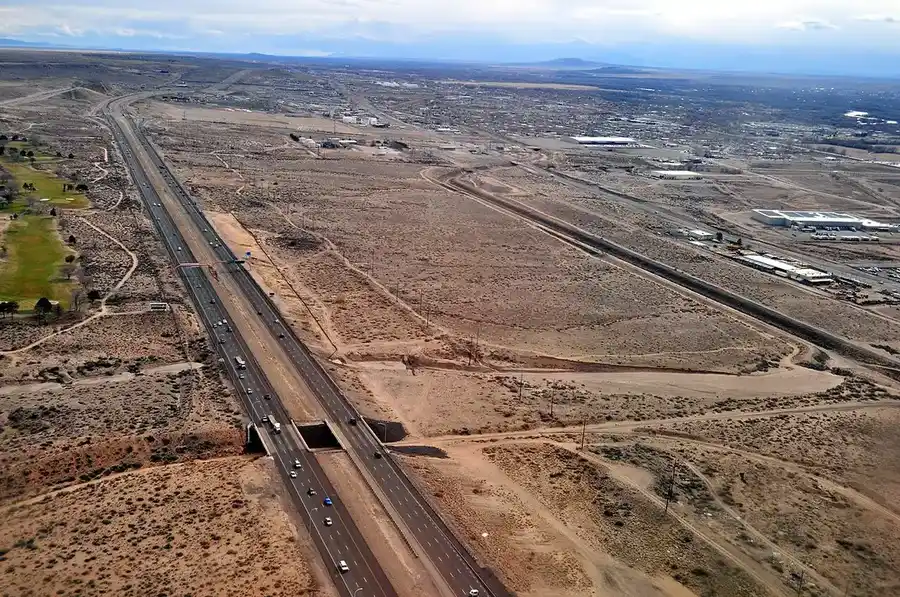
Albuquerque sits a mile high in the Rio Grande valley, and elevation writes the roof calendar: more than 300 days of sun a year, ultraviolet light noticeably stronger than at sea level, and thin dry air that swings thirty degrees or more between afternoon and night. Roofing materials here age on a faster clock than the ones printed on the wrapper.
The rain is the opposite story - only eight or nine inches in a typical year, but most of it arrives in the summer monsoon, in afternoon cloudbursts that can drop a month's worth of water in an hour. A roof in Albuquerque is not worn down by rain. It is worn down by sun, and then tested all at once by storms.
How Foam Roofing Works
Read the coat, then the foam
The inspection grades the coating's thickness and condition first, then checks the foam beneath at thin spots, blisters and ponding areas.
Test for hidden moisture
Where the surface suggests it, a moisture scan or core sample settles whether the foam is dry - the fact every foam decision stands on.
Repair, prepare, recoat
Damaged foam is cut out and rebuilt to thickness, the surface is prepped, and the new coating system goes on at the specified thickness across the whole roof.
Start the recoat clock
You get the date and the coat's expected window in writing - the schedule that keeps this roof a renewal story instead of a tear-off one.
Doing It Yourself vs a Professional
The DIY Route
- Painting foam with house paint or hardware-store coating is not a recoat - wrong products crack and peel off foam fast
- Patching a blister without checking for wet foam seals the water in to spread
- Walking a foam roof to inspect it dents the surface you are trying to protect
VS
The Professional Route
- Moisture read before money is spent - dry foam gets recoated, wet foam gets rebuilt first
- Coating applied at a specified thickness, verified wet and dry, not 'a coat of paint'
- Damage rebuilt to full foam thickness before coating, so the surface stays true
Keep It From Coming Back
Foam care is calendar care - the recoat cycle above all - plus a gentle foot and a watchful eye. The habits below are what stand between a foam roof and its one real enemy: being forgotten.
- Live by the recoat calendar: five to seven years is the planning number, condition is the judge.
- Fix coating damage - pecks, pits, cracks - as it appears; small doors grow.
- Keep drainage as clear as any flat roof; ponding wears coats fastest exactly where water stands.
- Keep traffic off foam roofs without walk pads; foam dents under heels and ladders.
- After hail, have pits counted and the coat checked - hail damage on foam is a coating story.
- Save every recoat record: dates and products build the roof's history and its resale file.